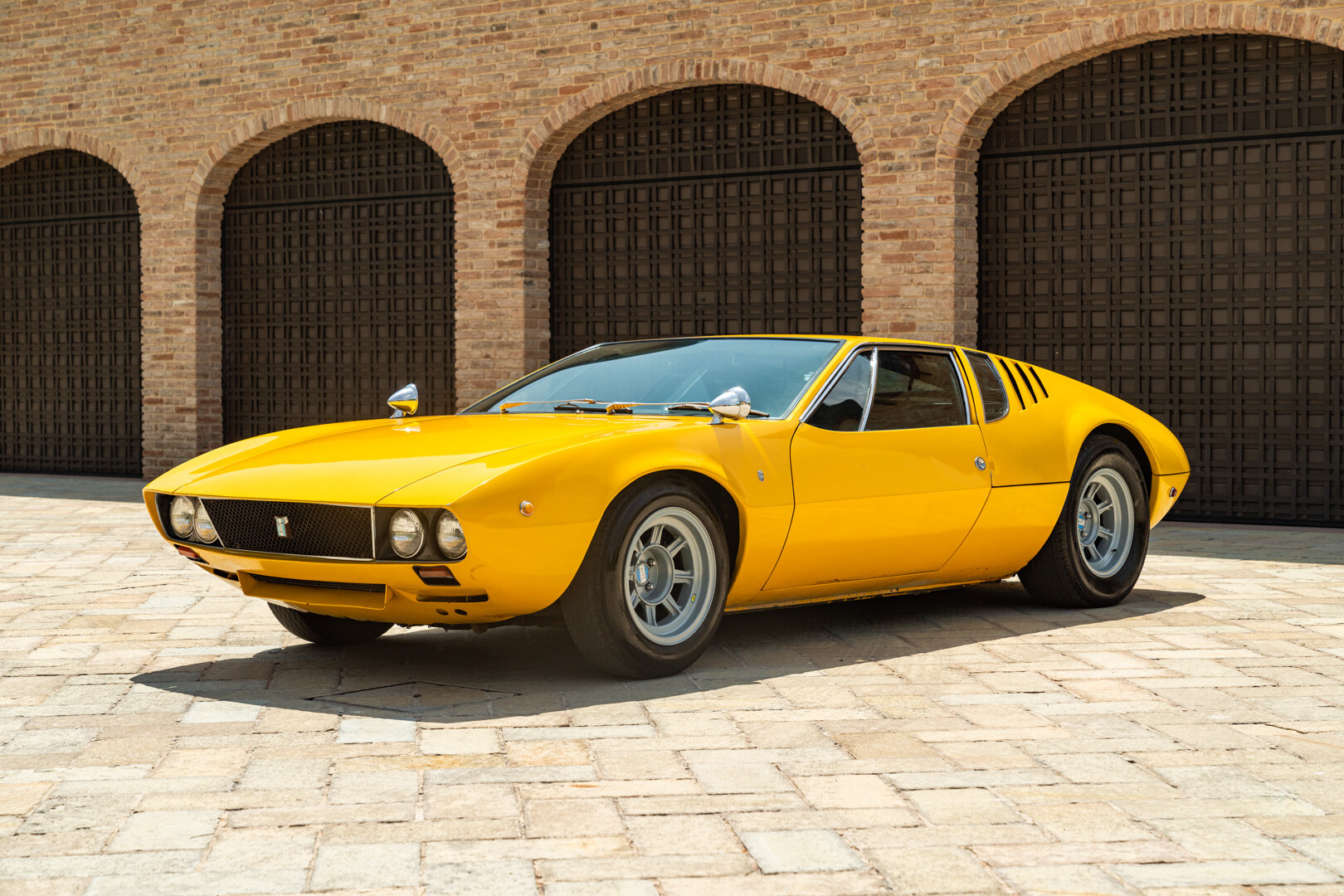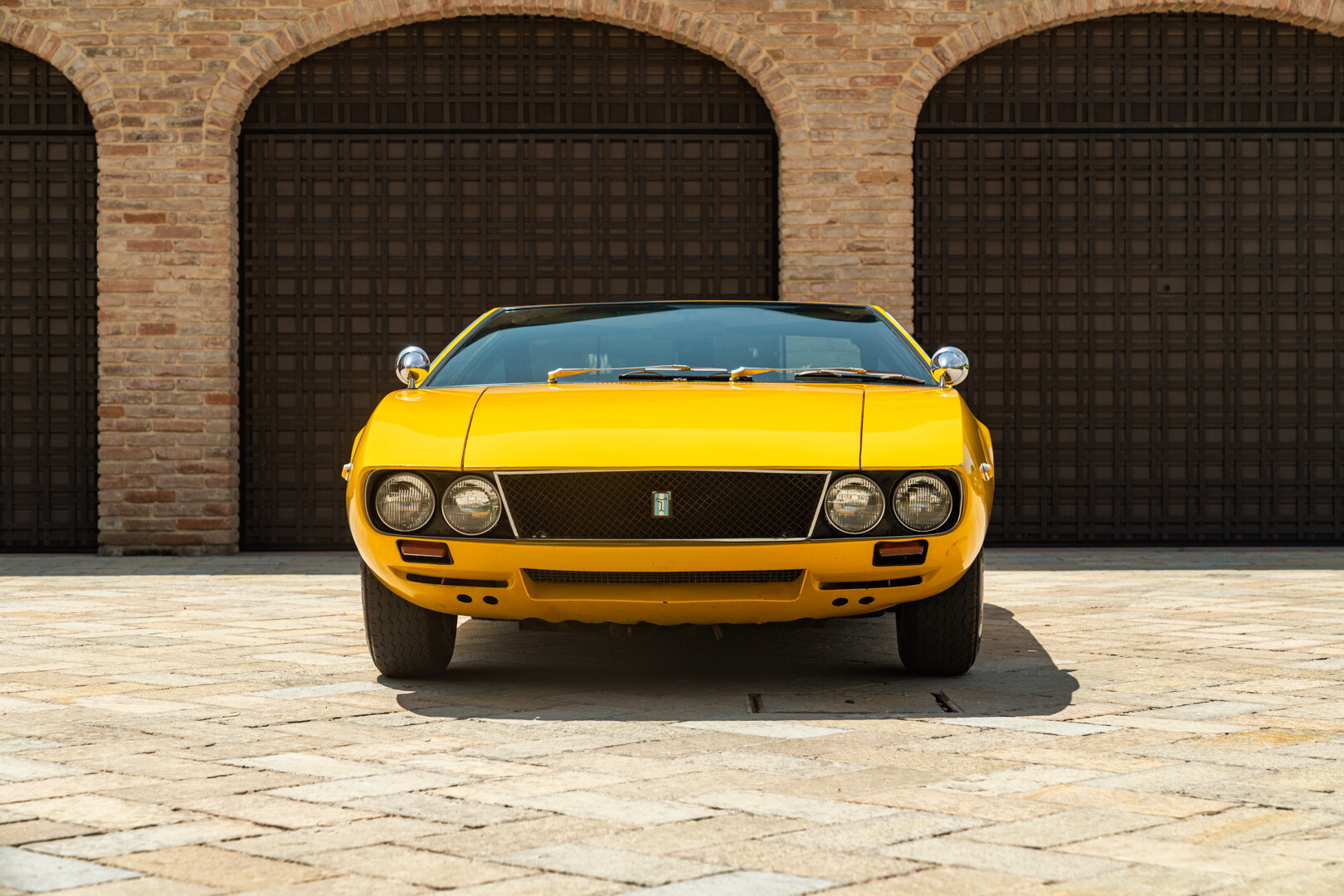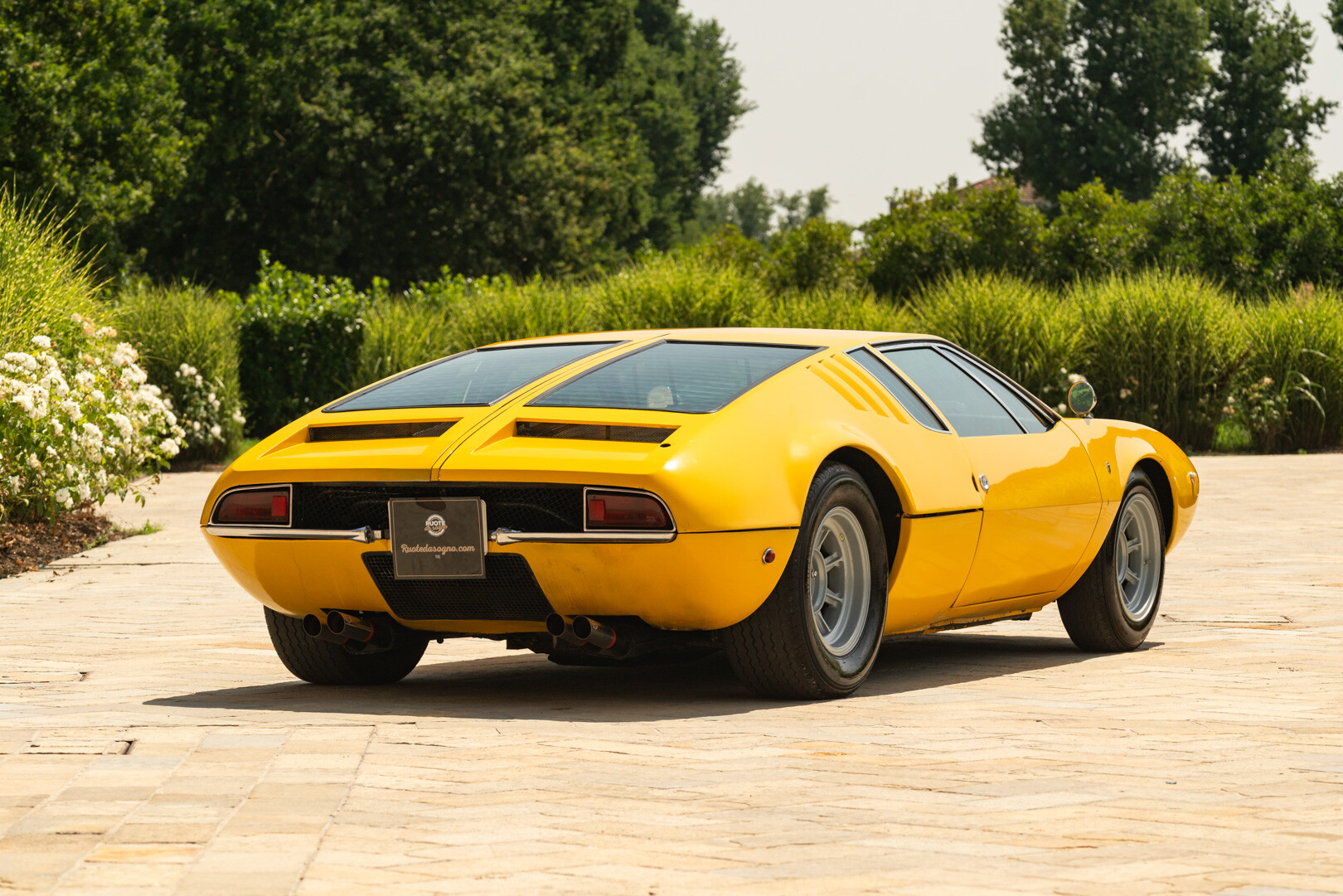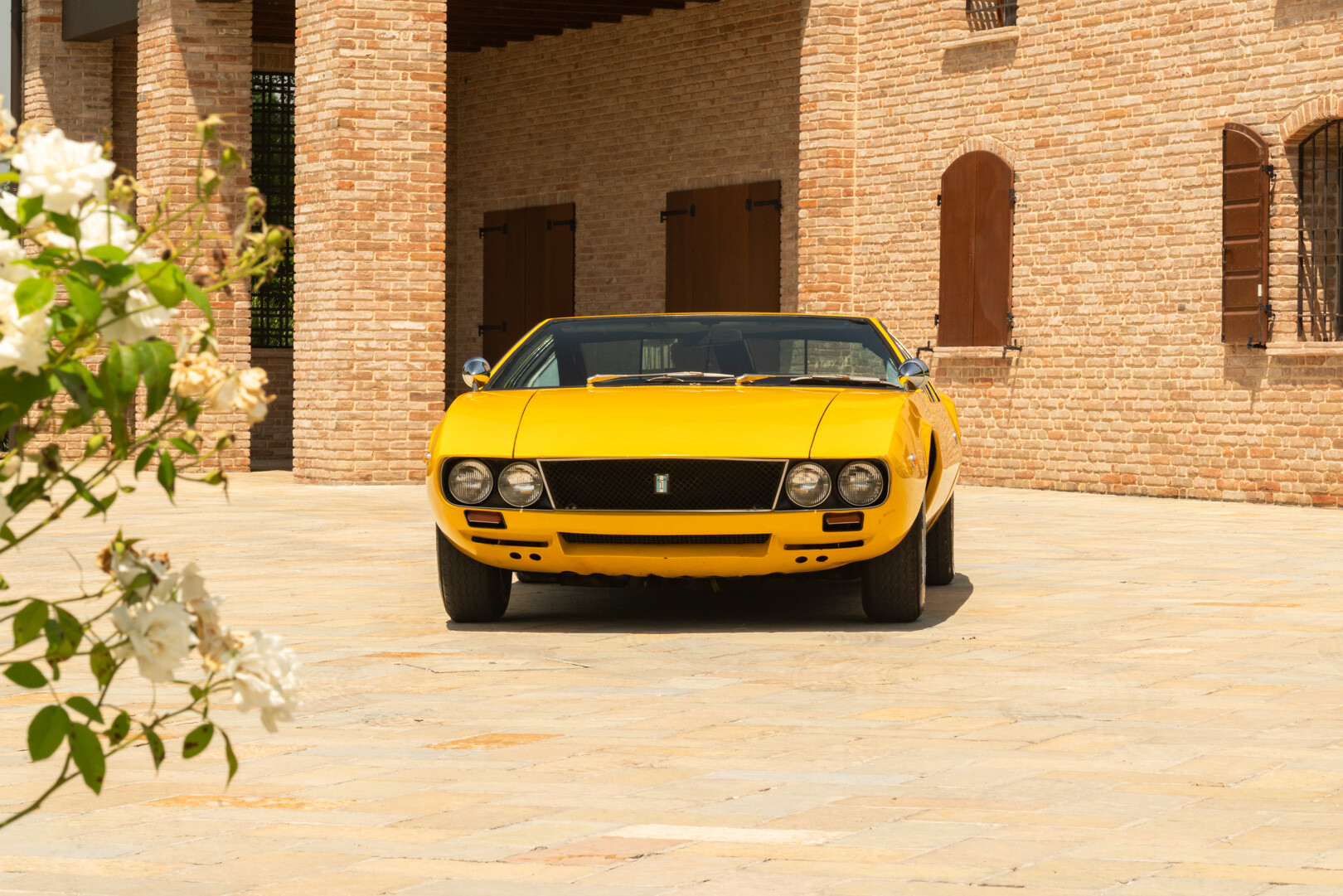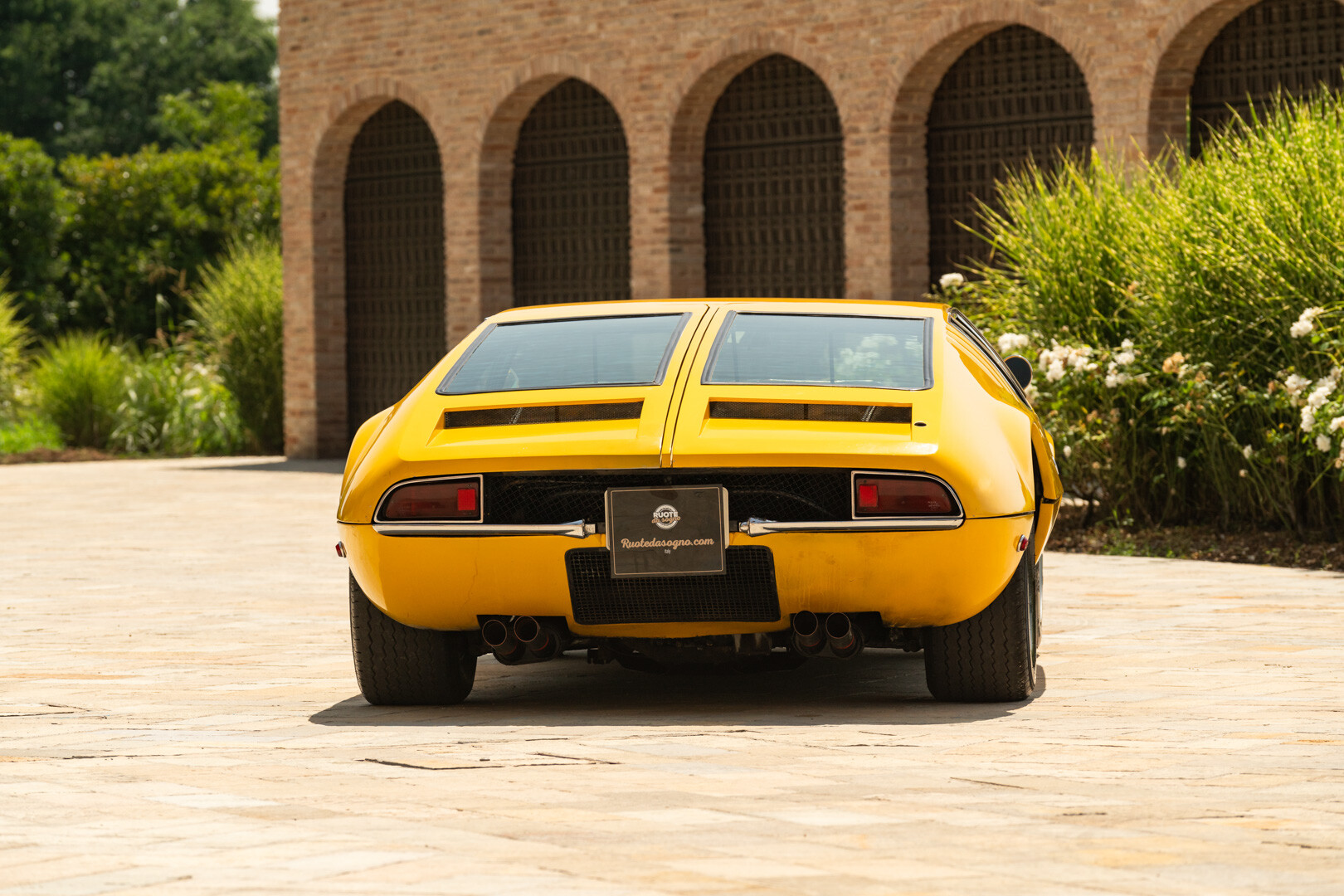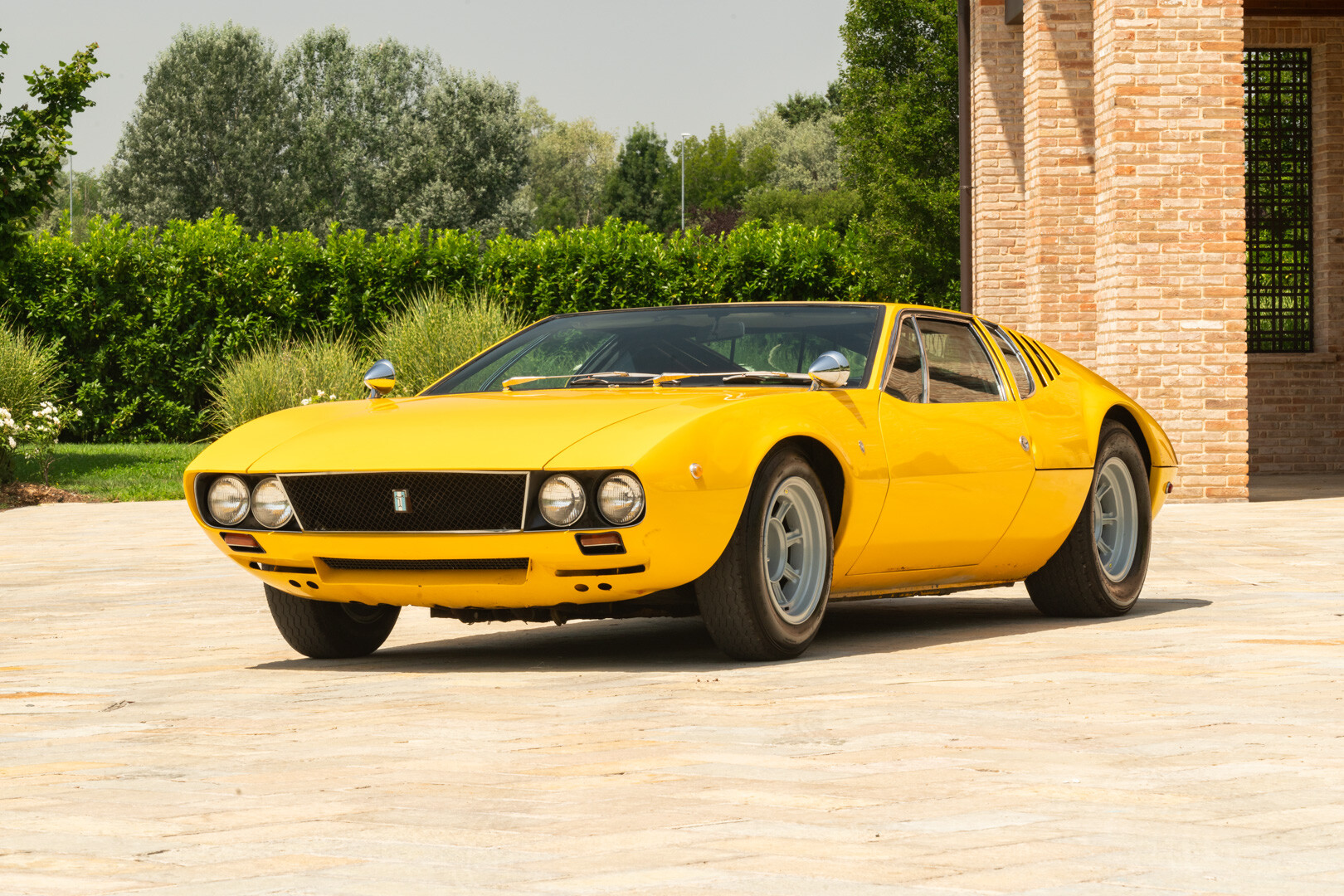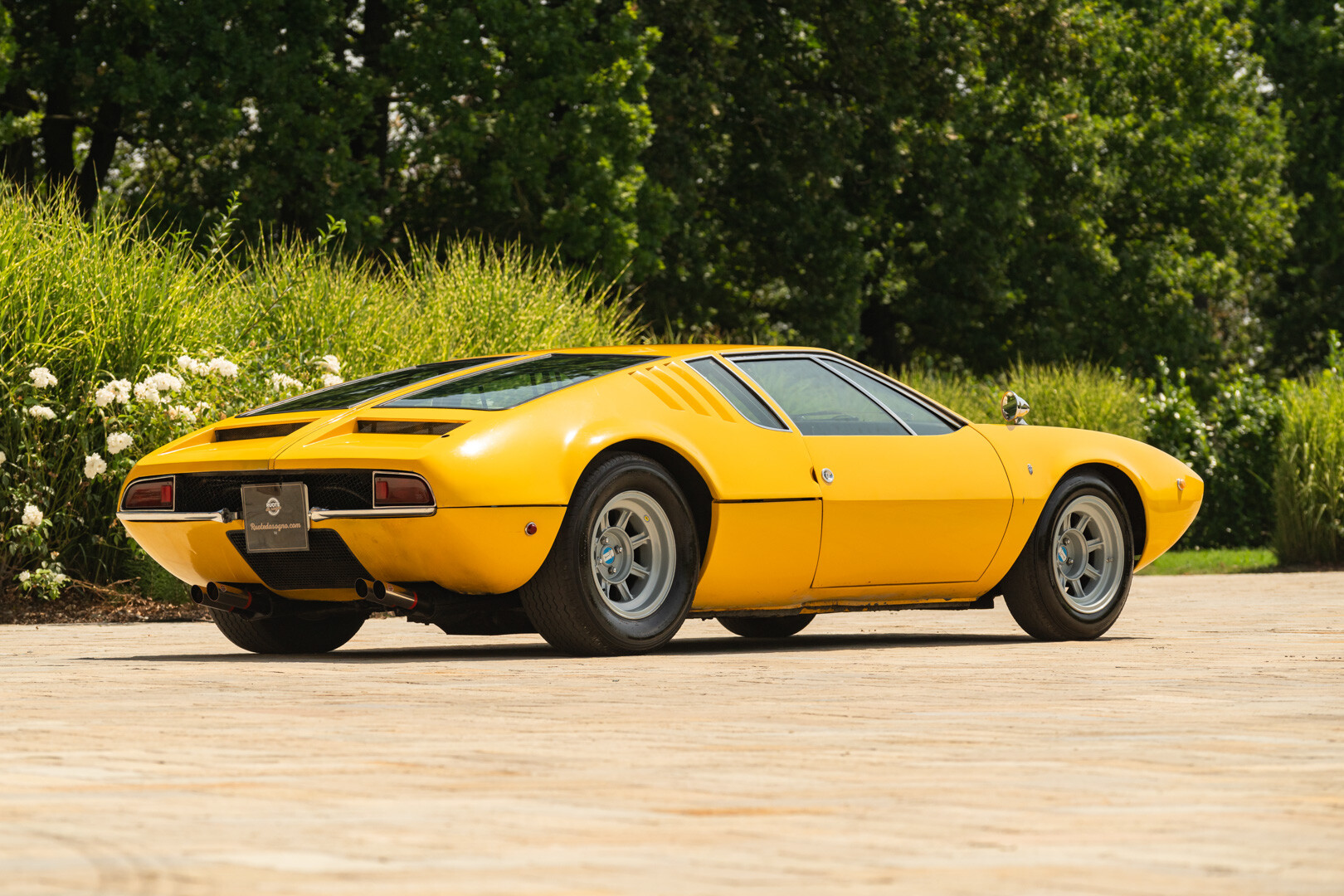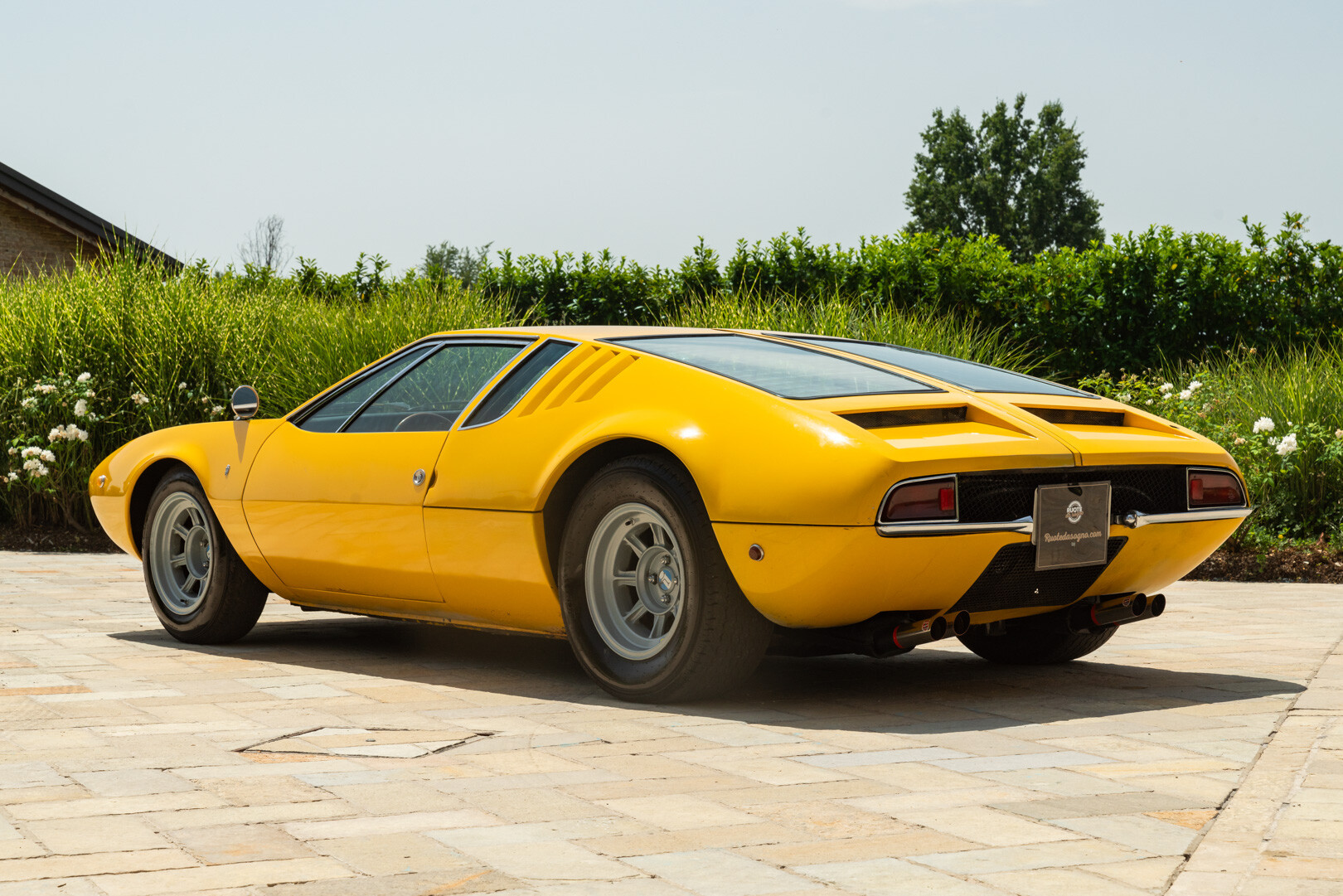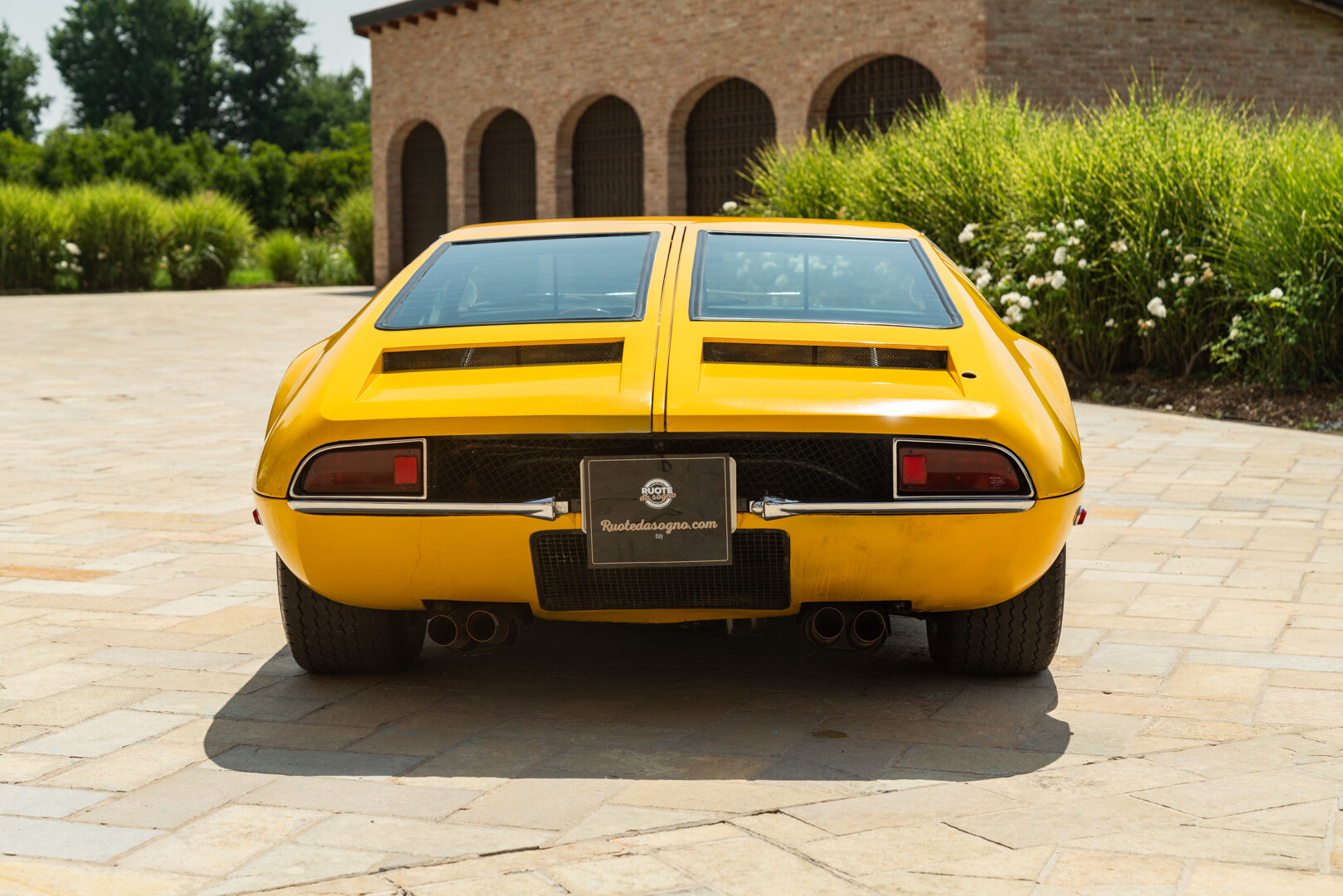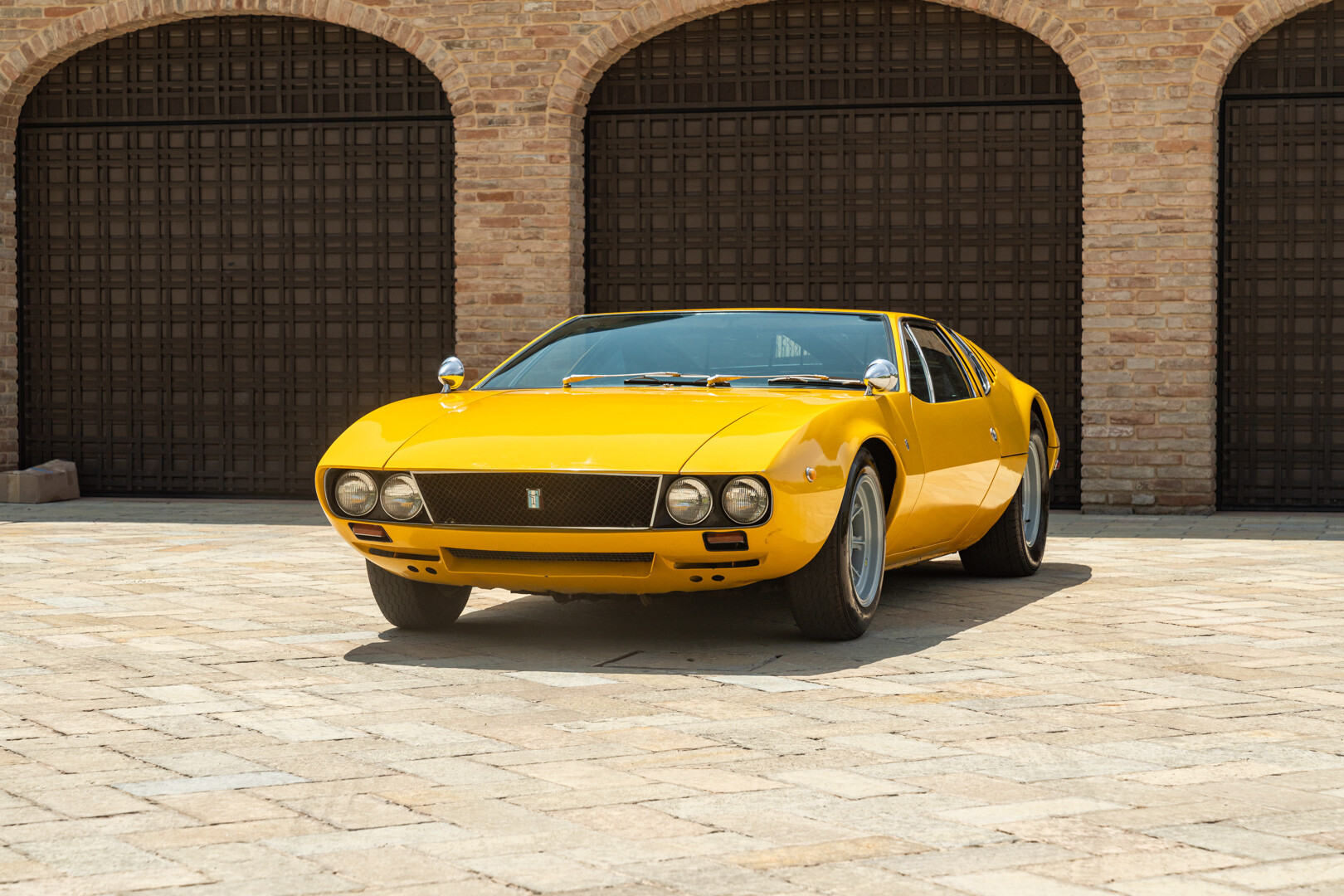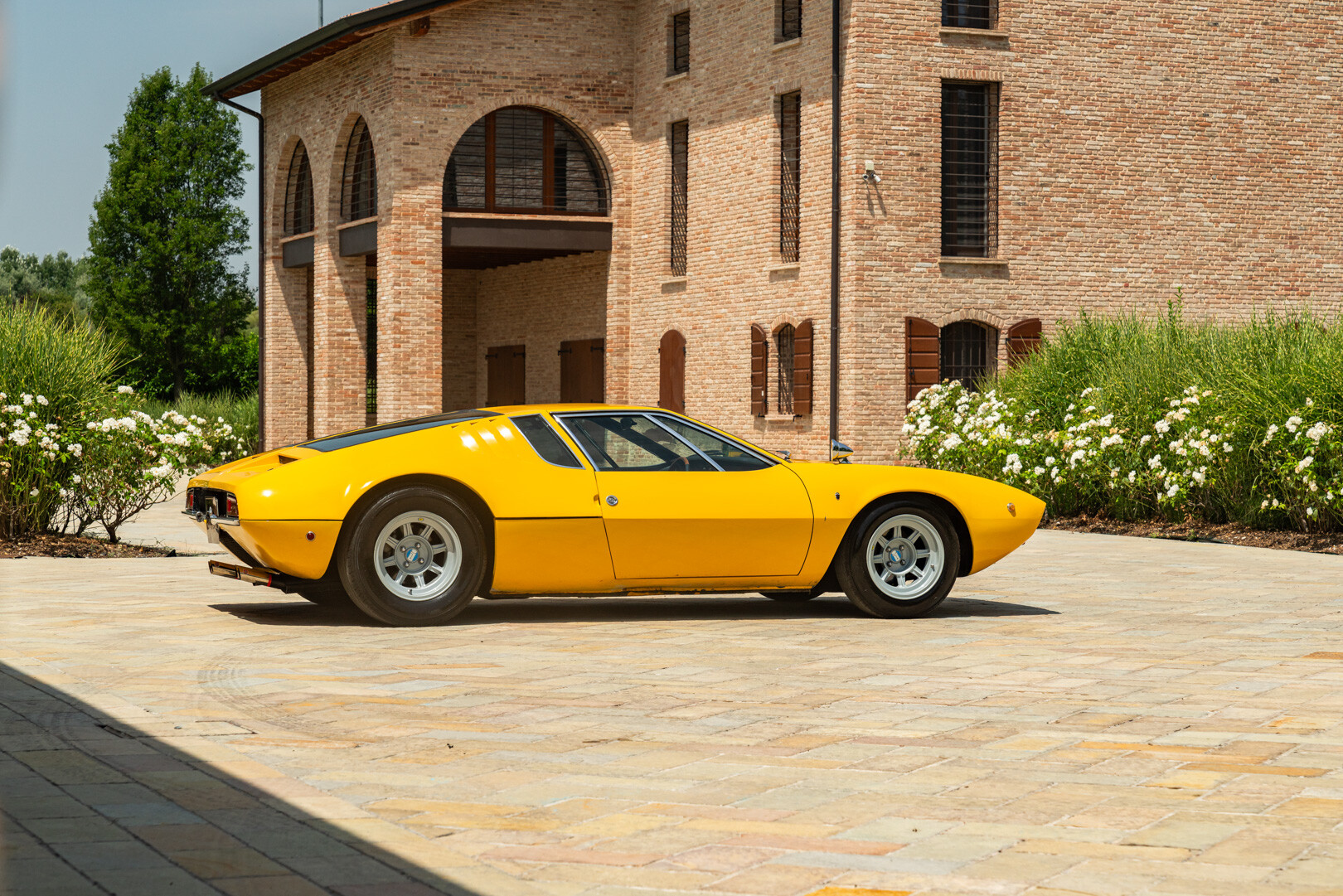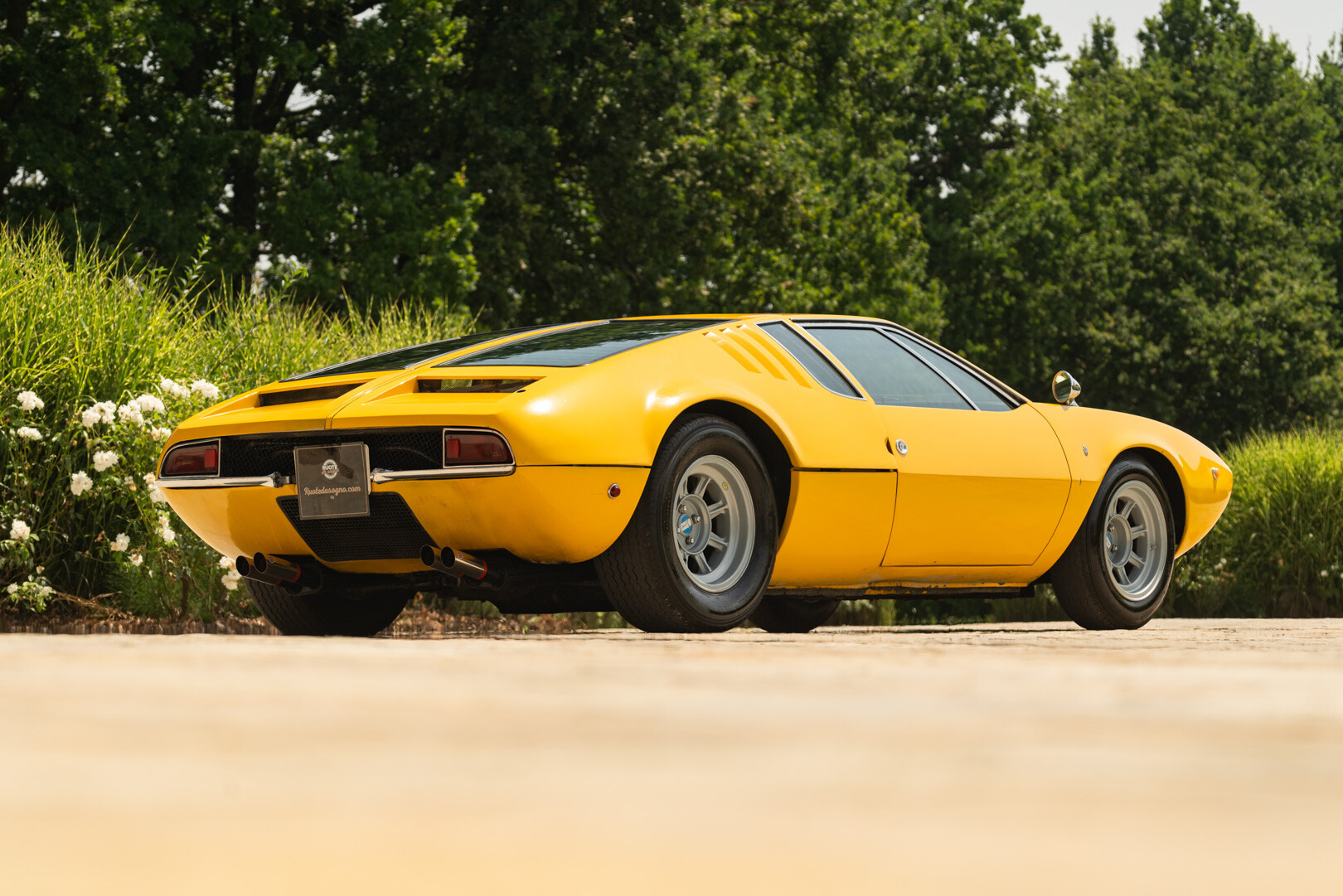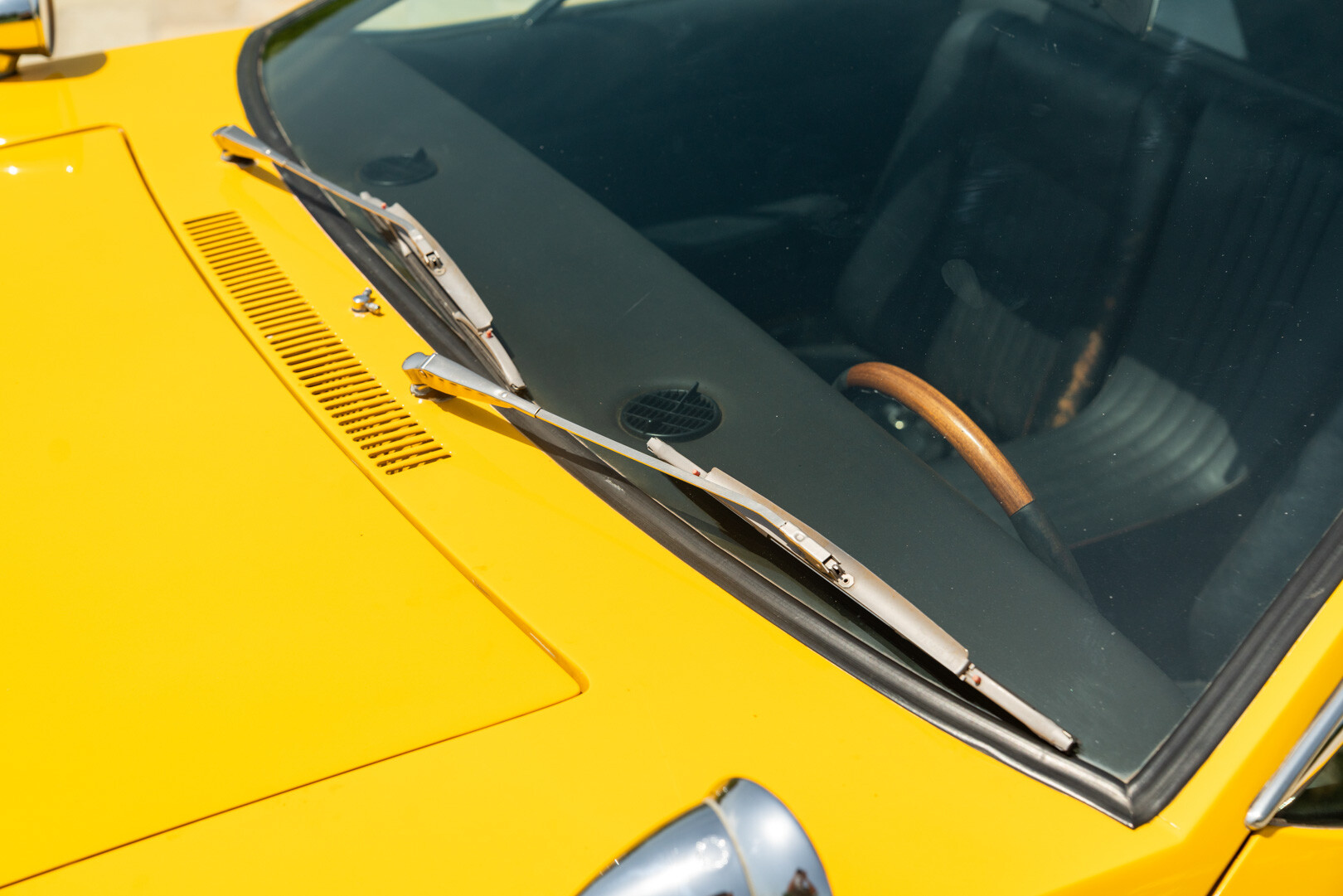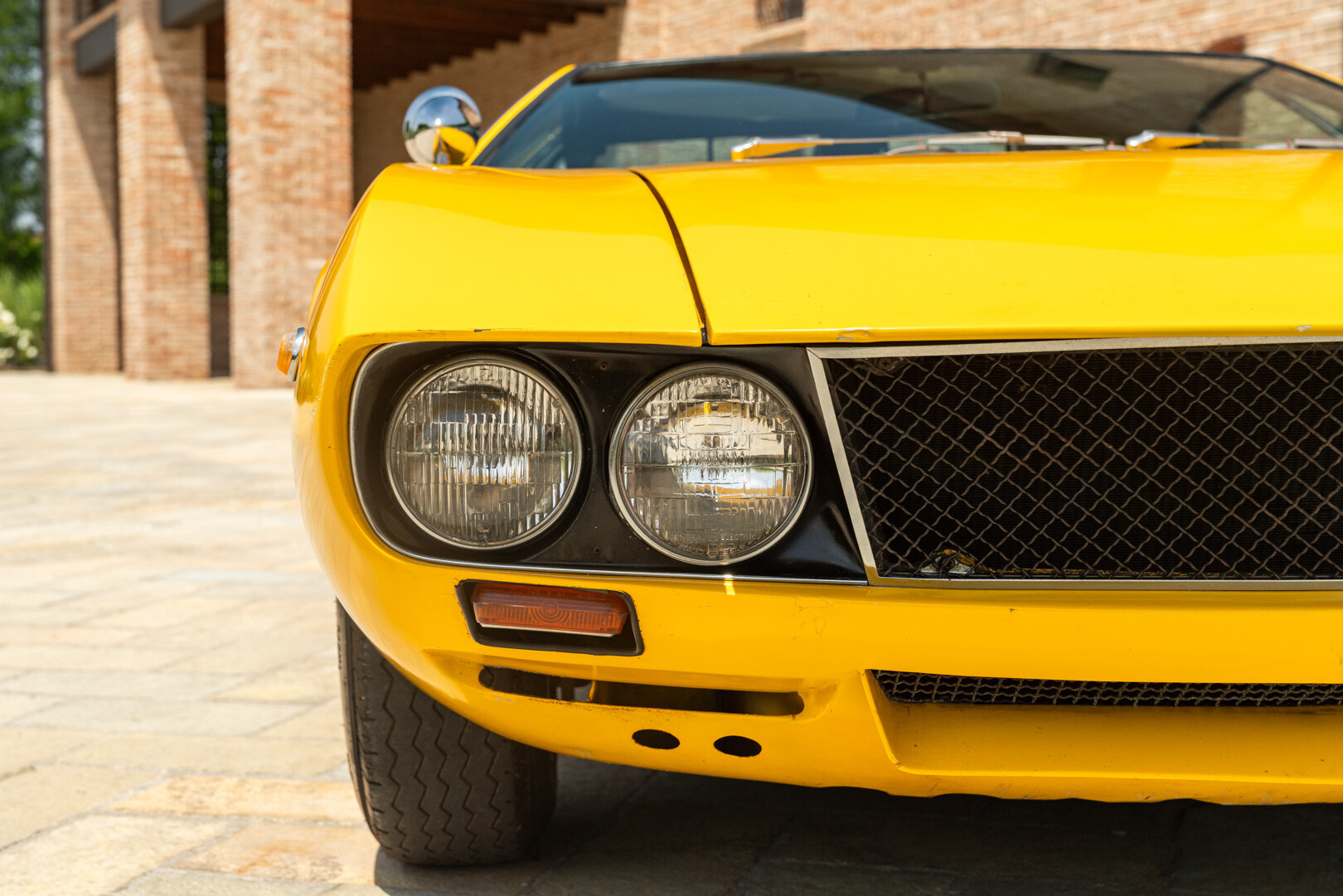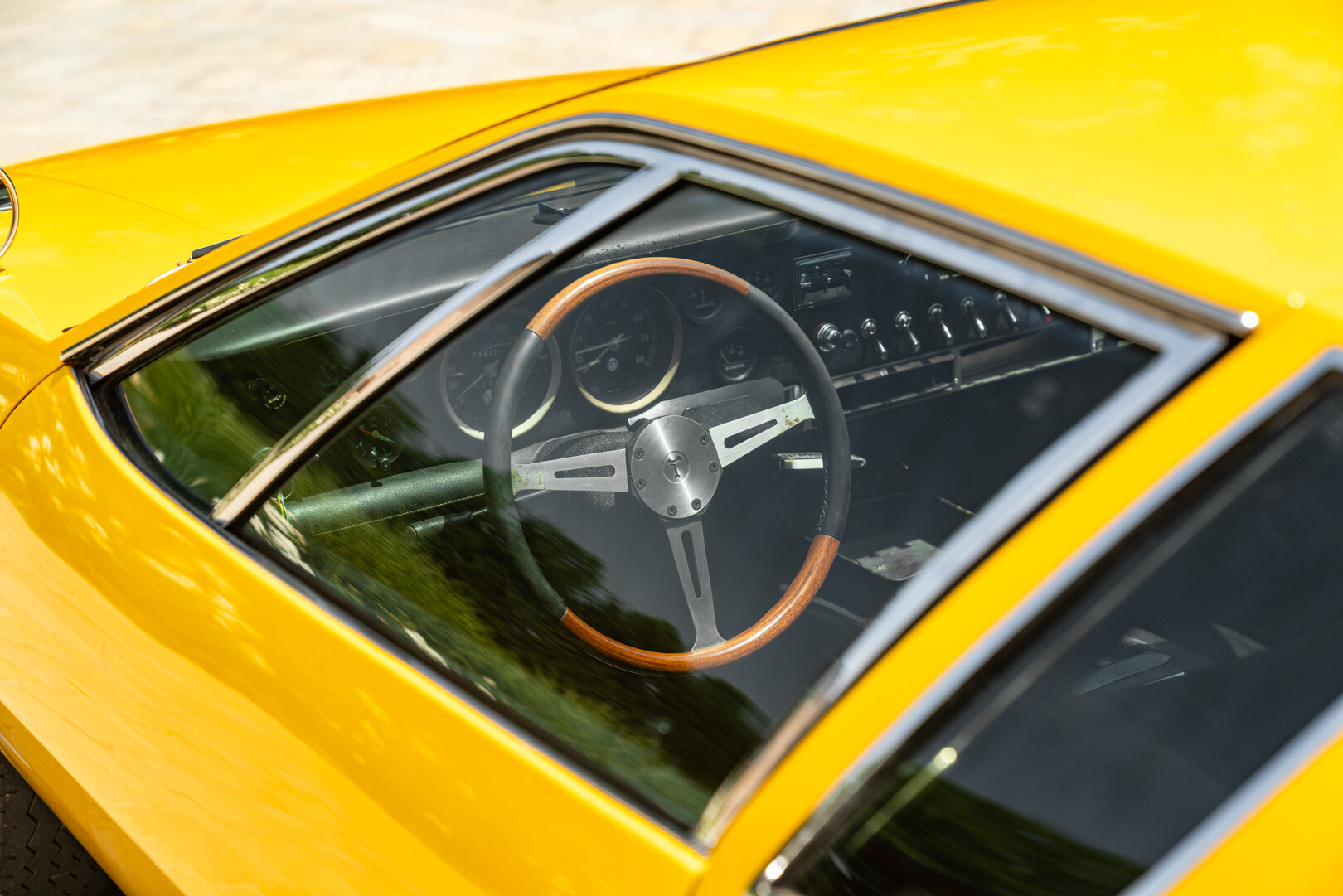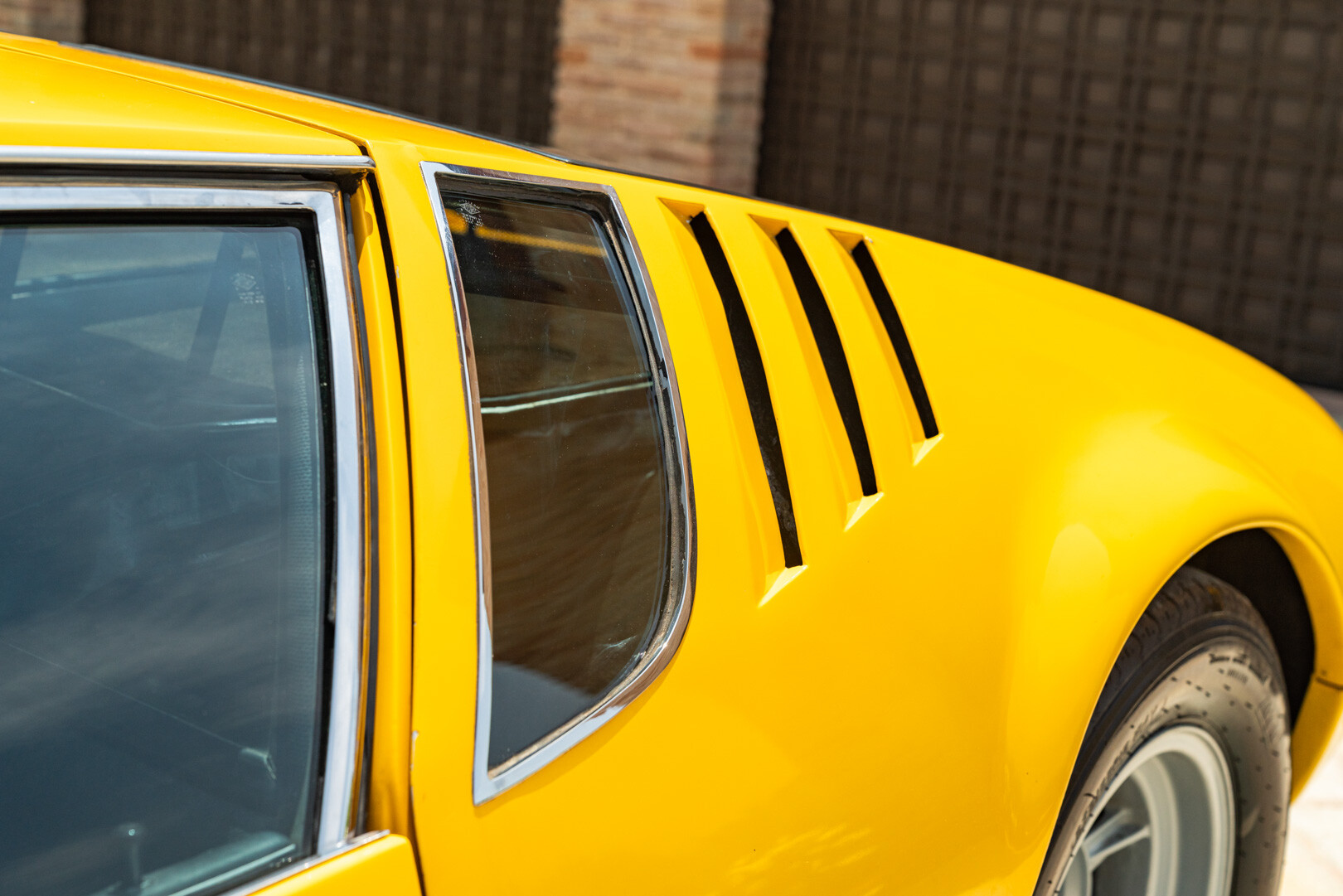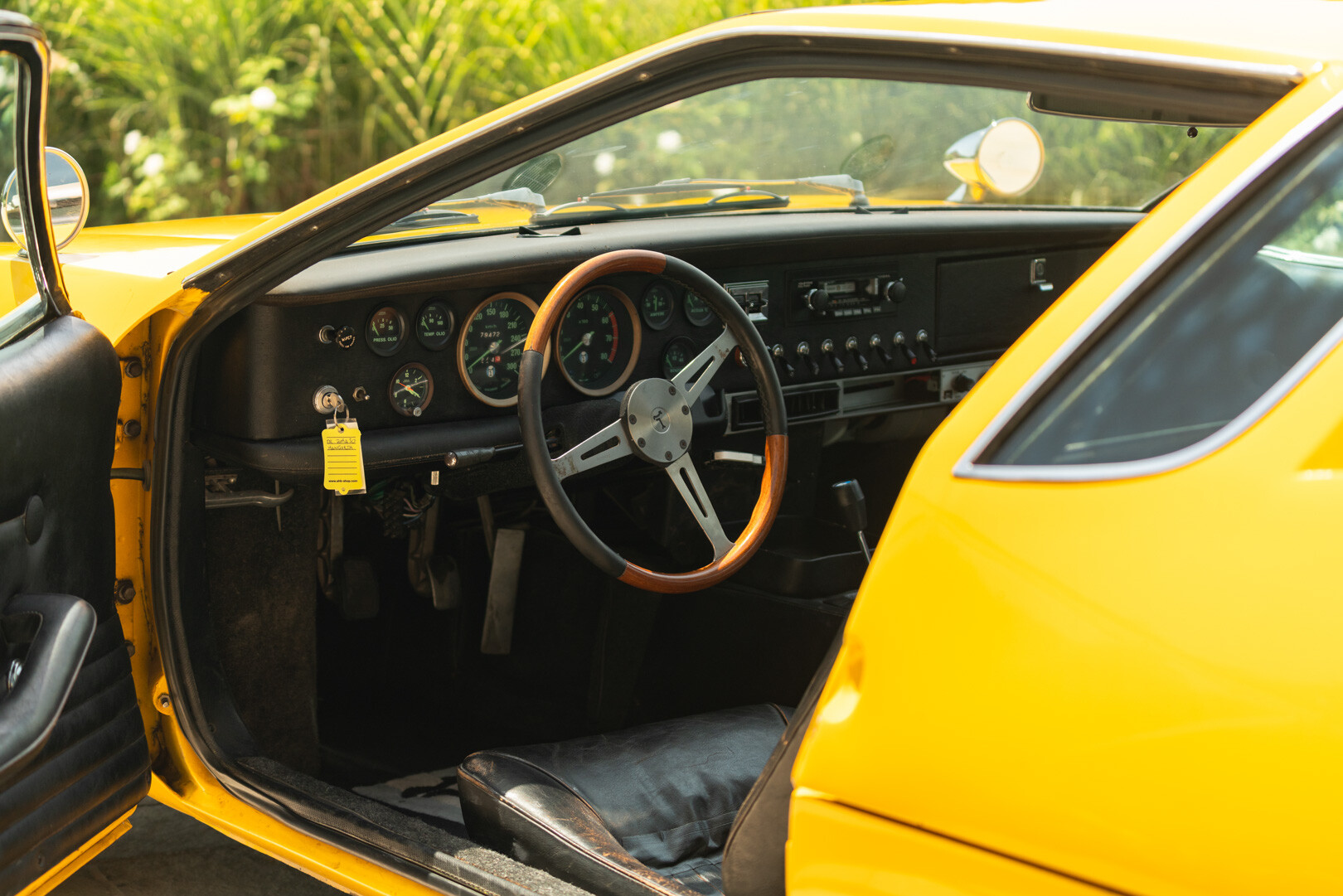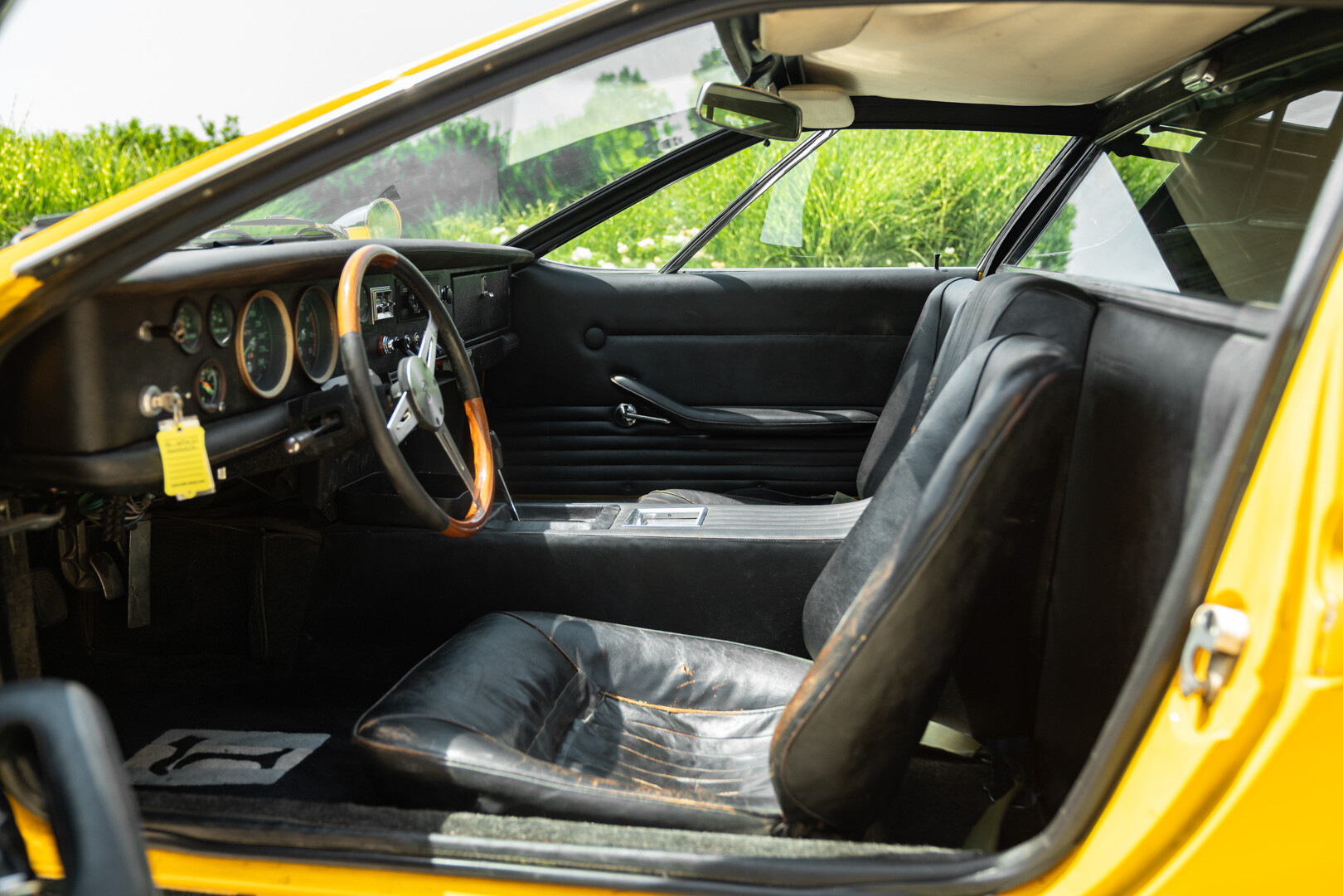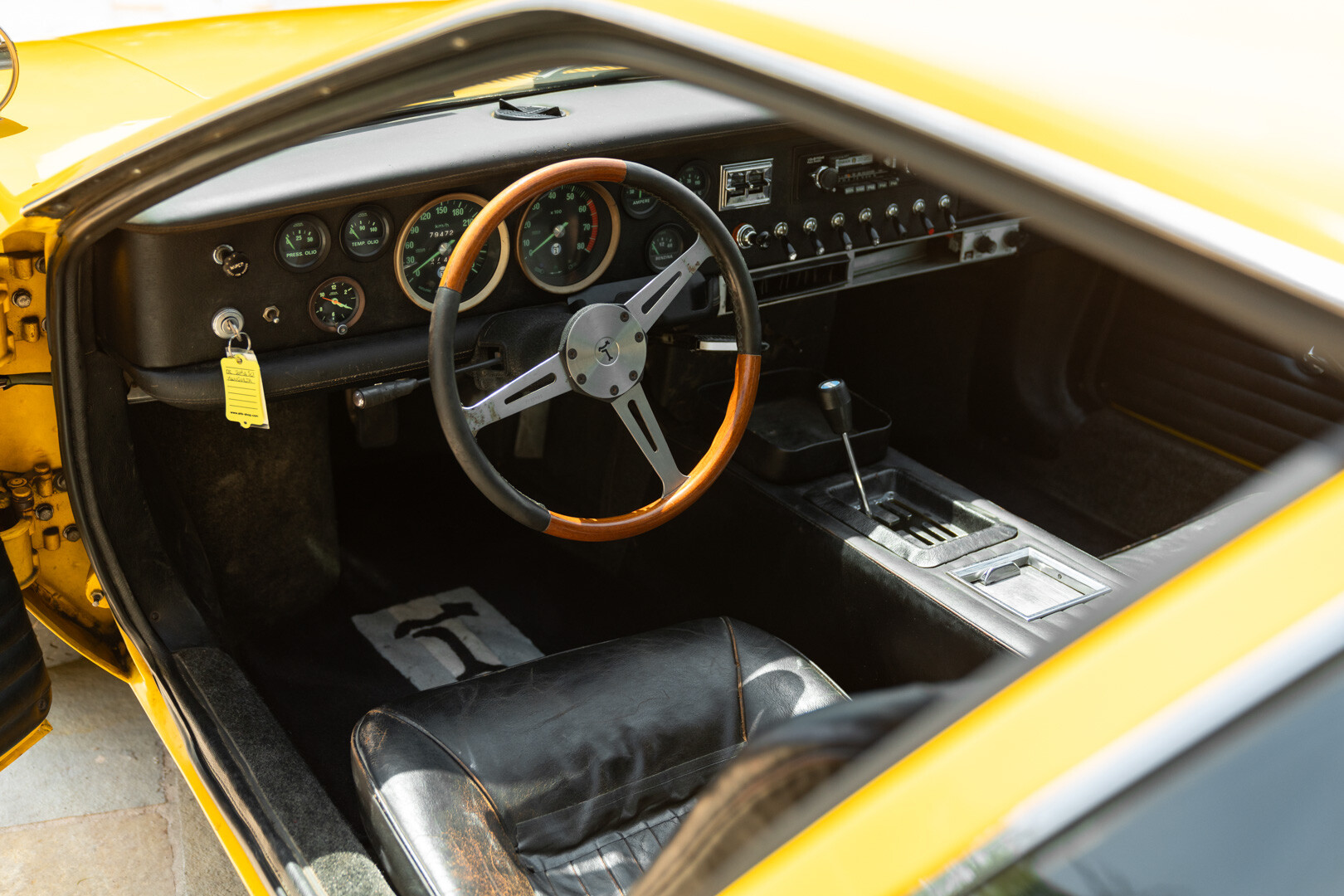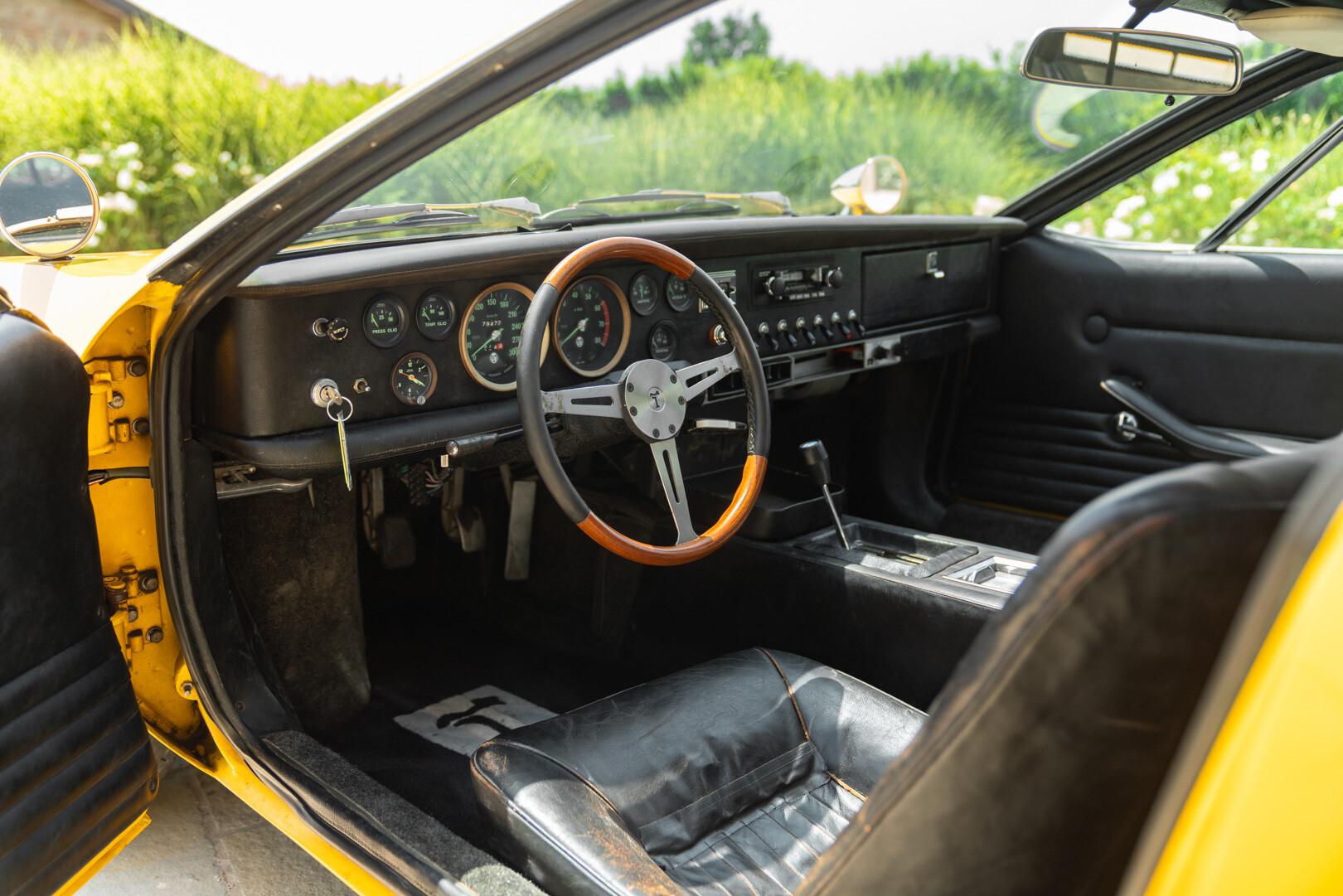
- Modèle Mangusta
- Cylindrée 4700
- Cylindres 8
- Année 1969
- Inscription Nessuna
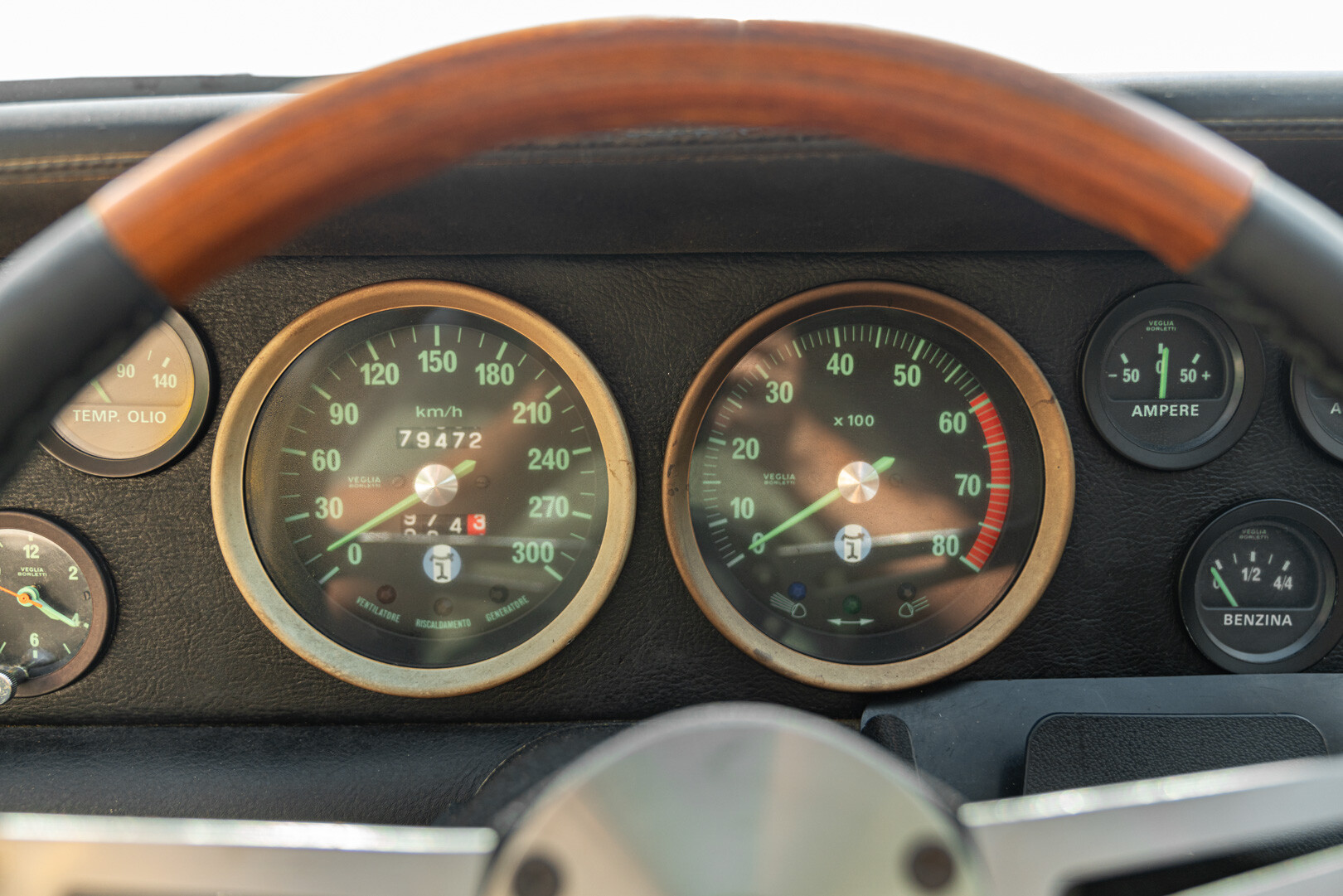
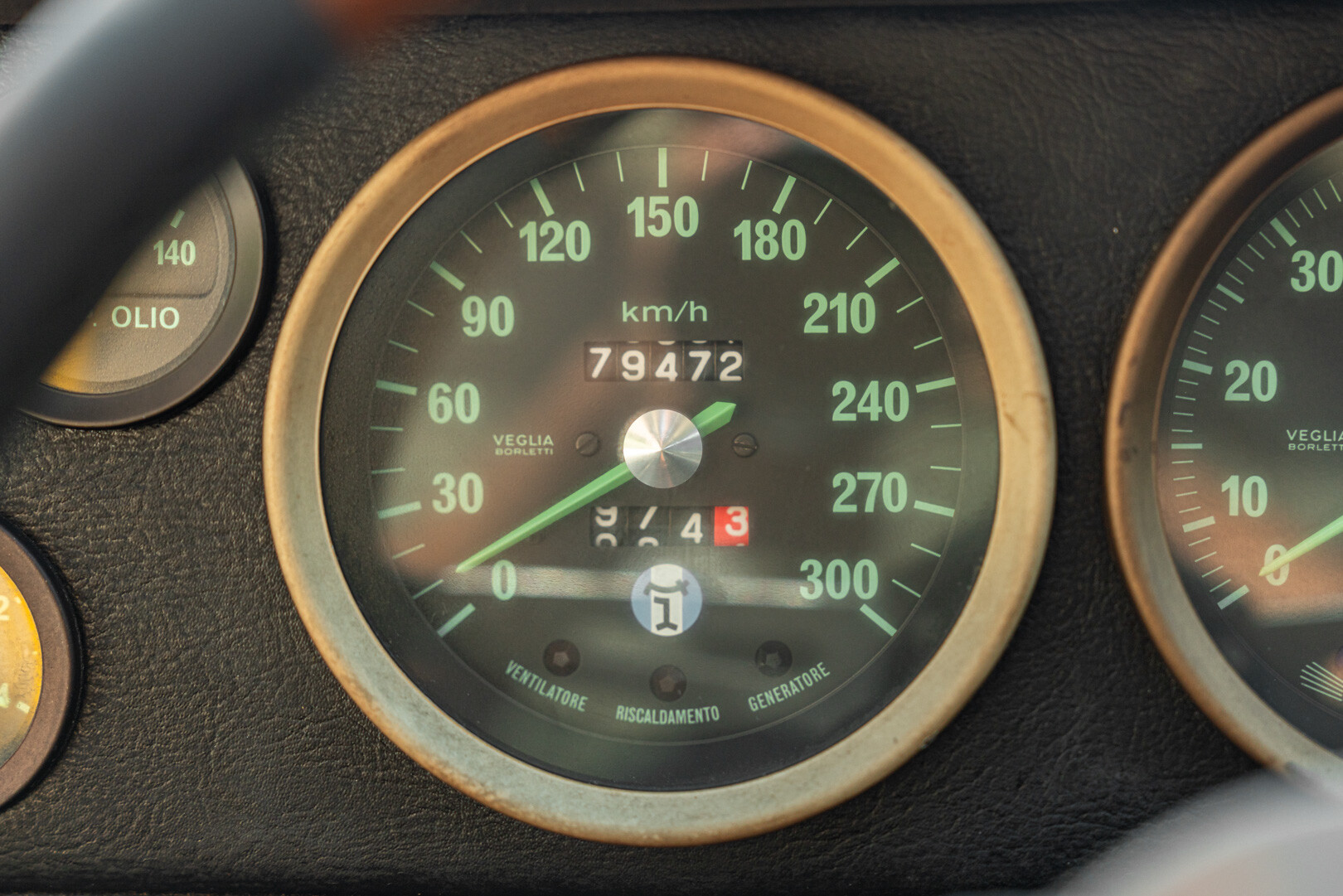
- Odomètre 79472
- Carrosserie Coupè
- Couleur extérieure Yellow
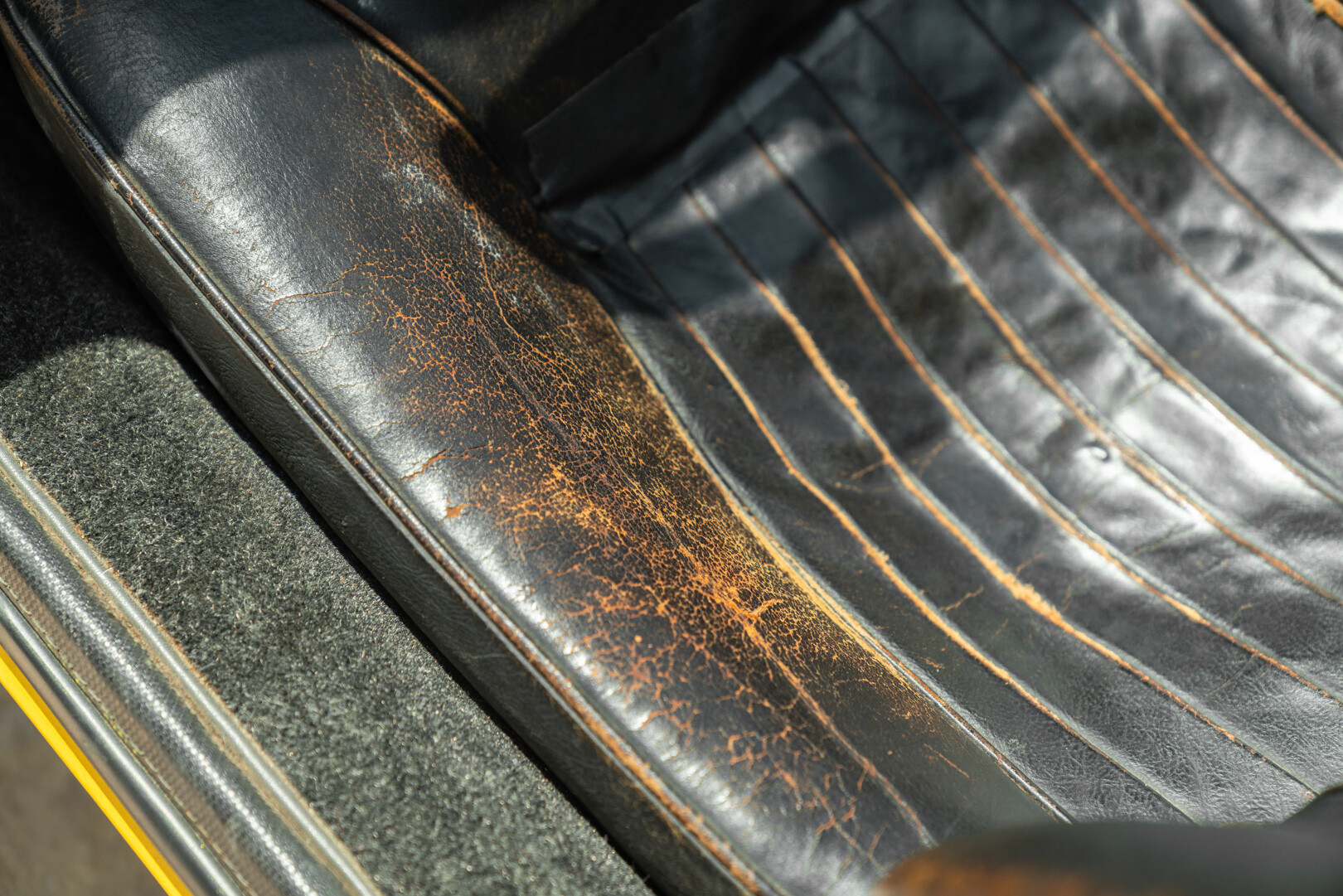
- Couleur intérieure Black
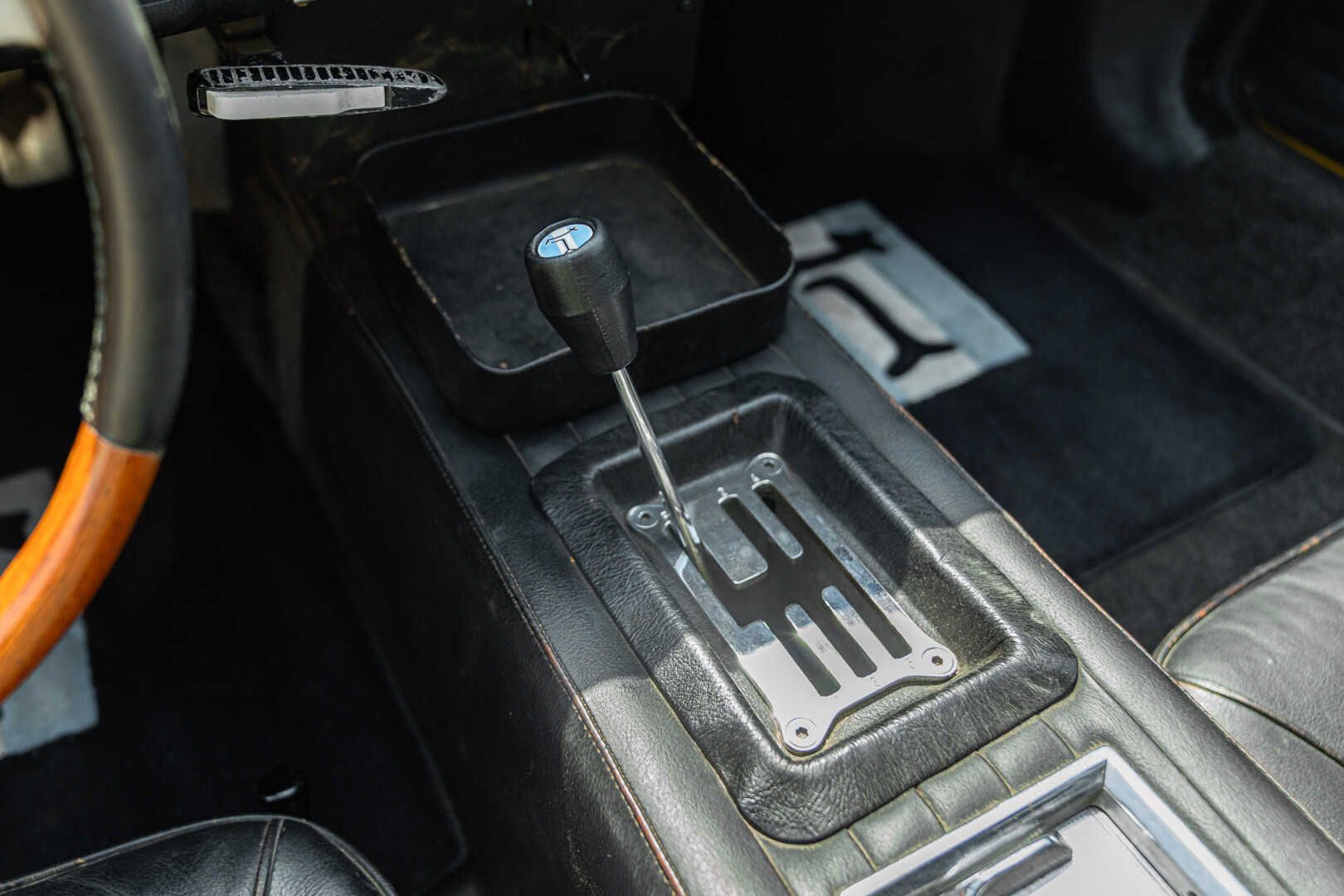
- Boîte de vitesses Manual 5 Speed
- Code DET00005
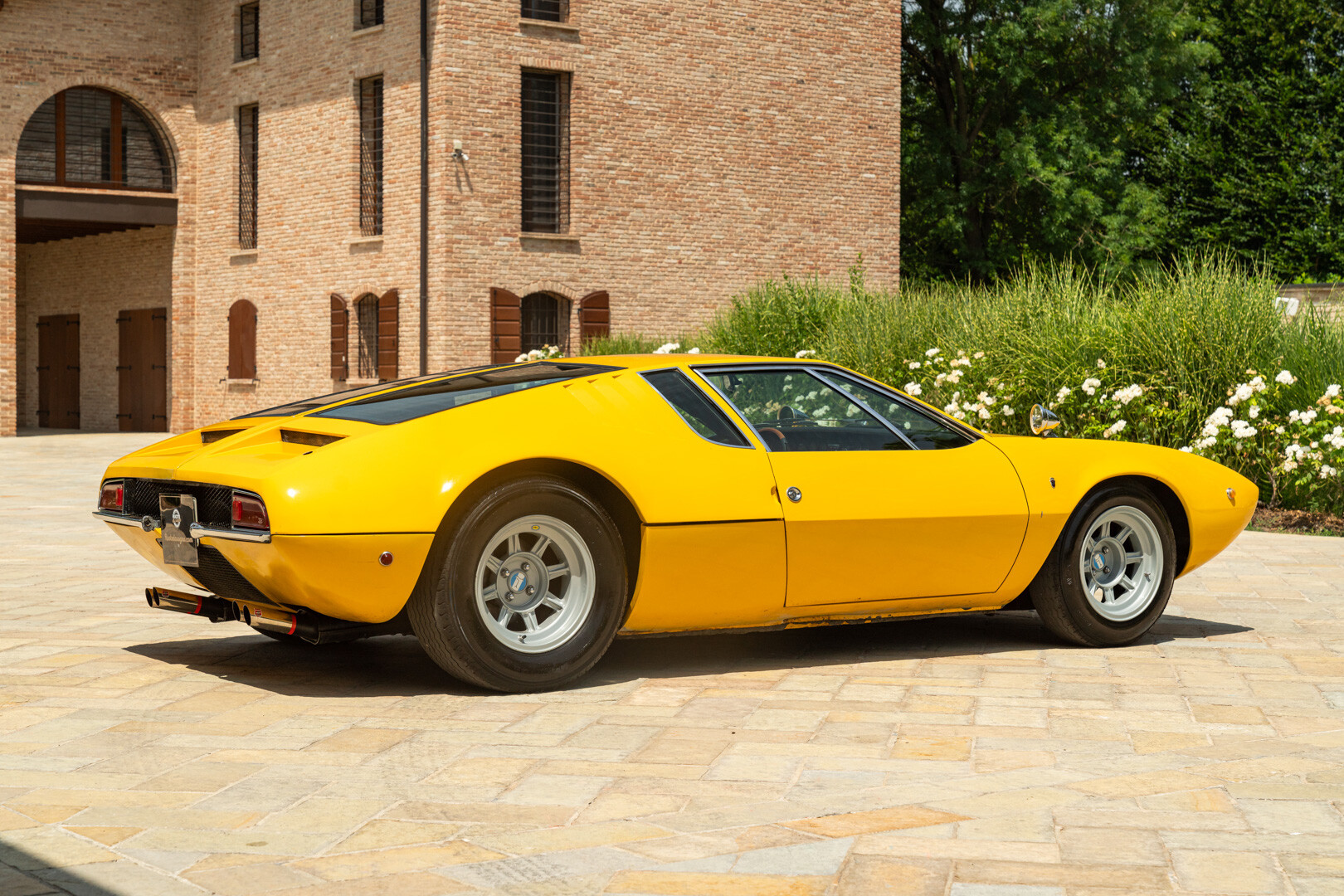
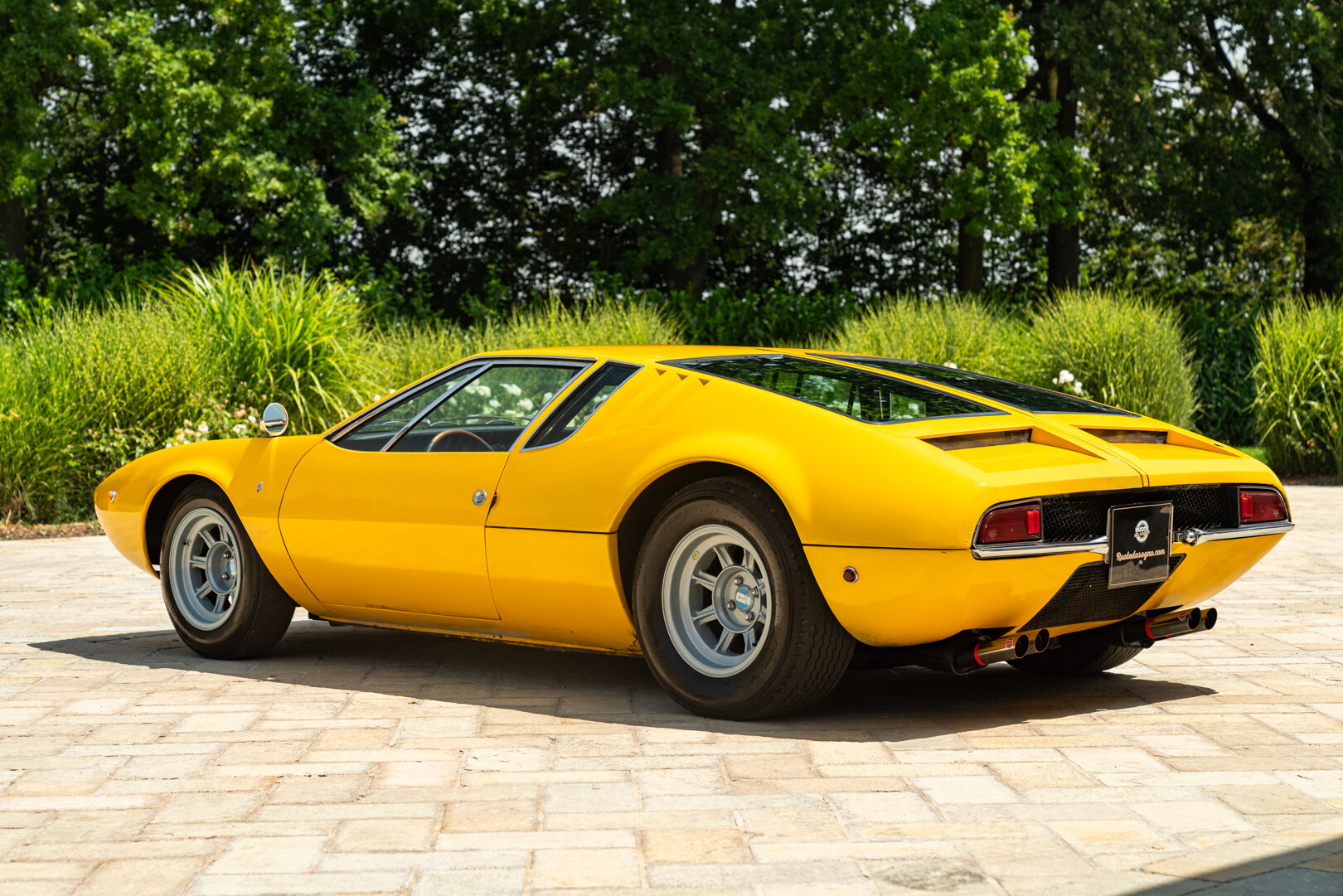
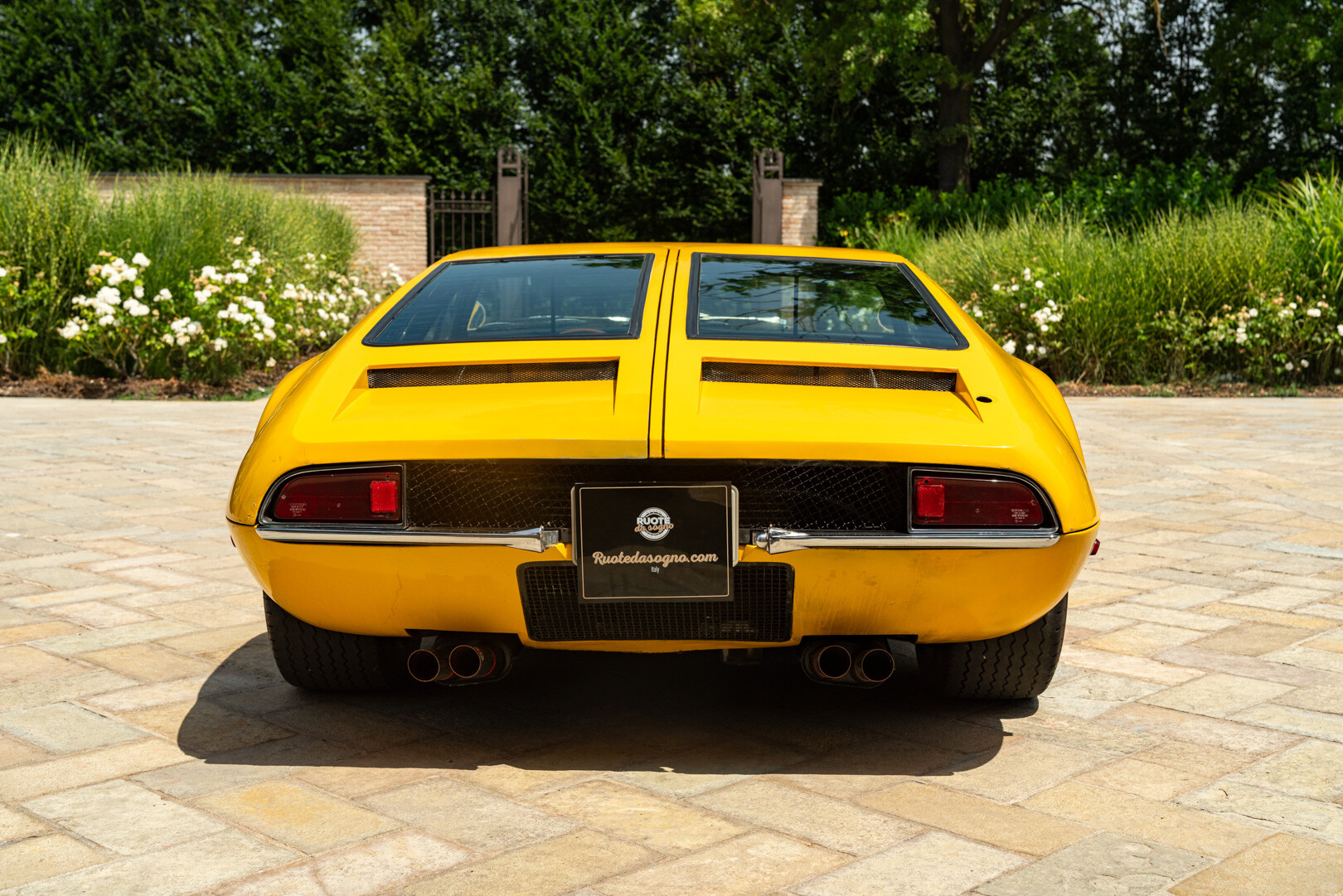
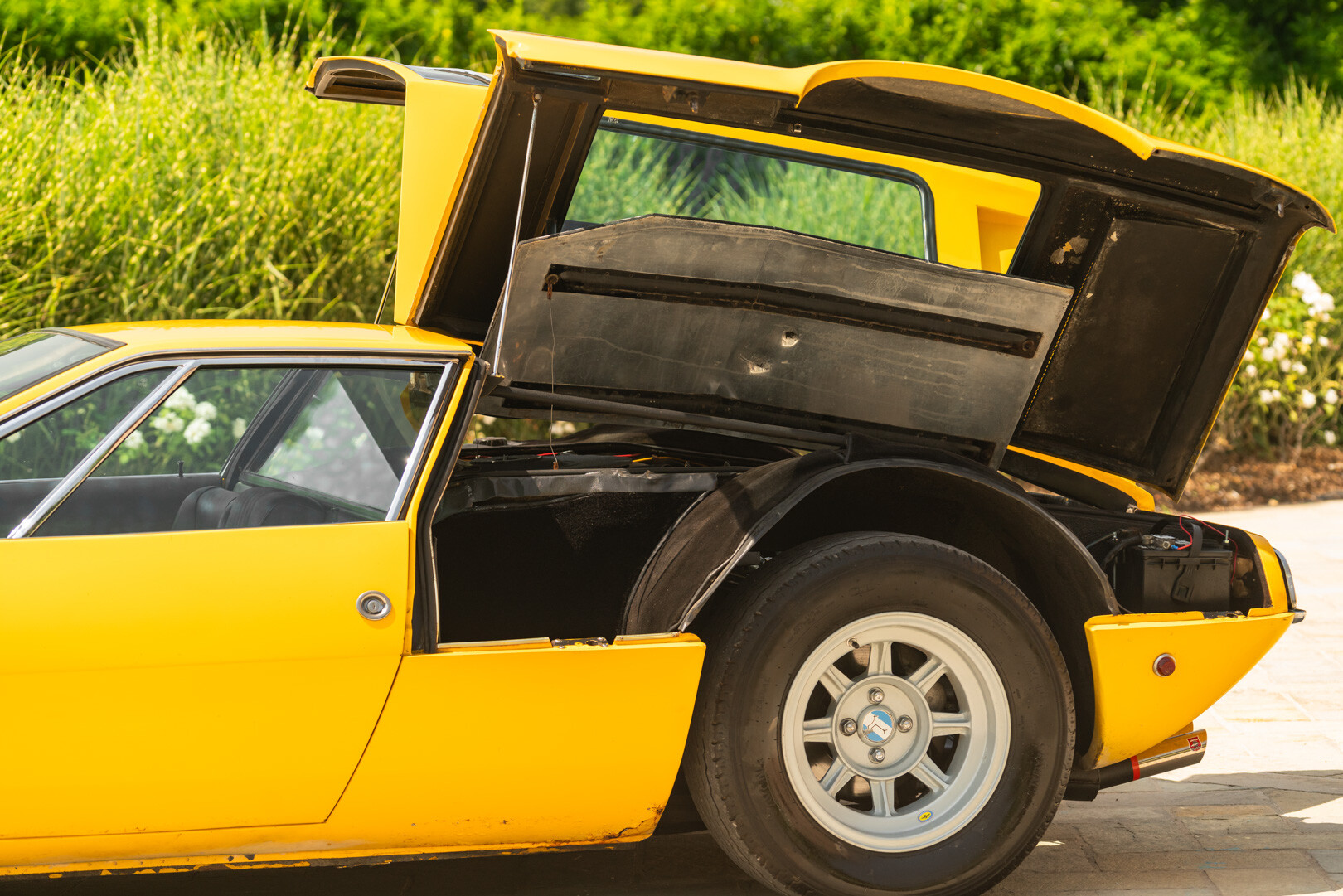
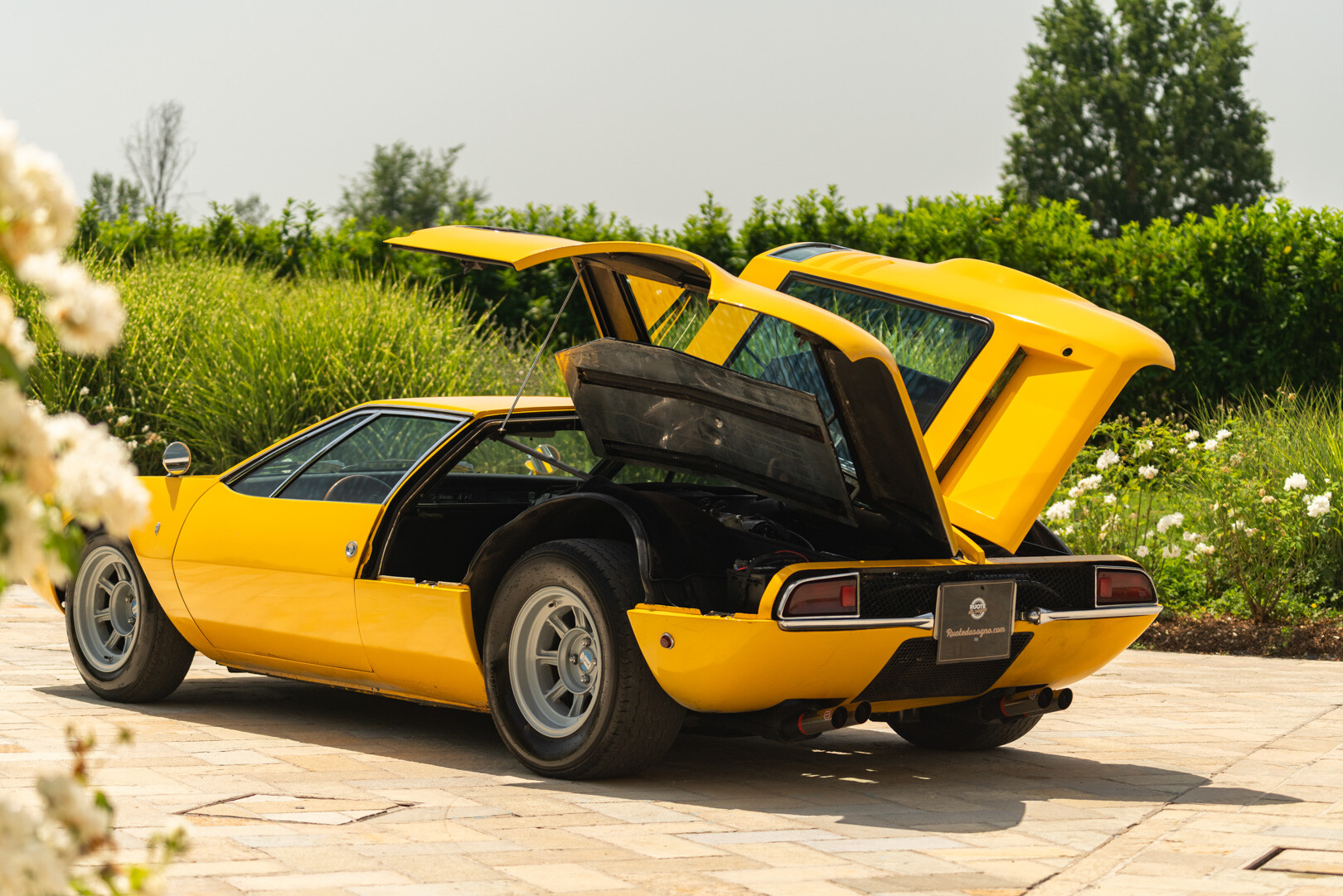
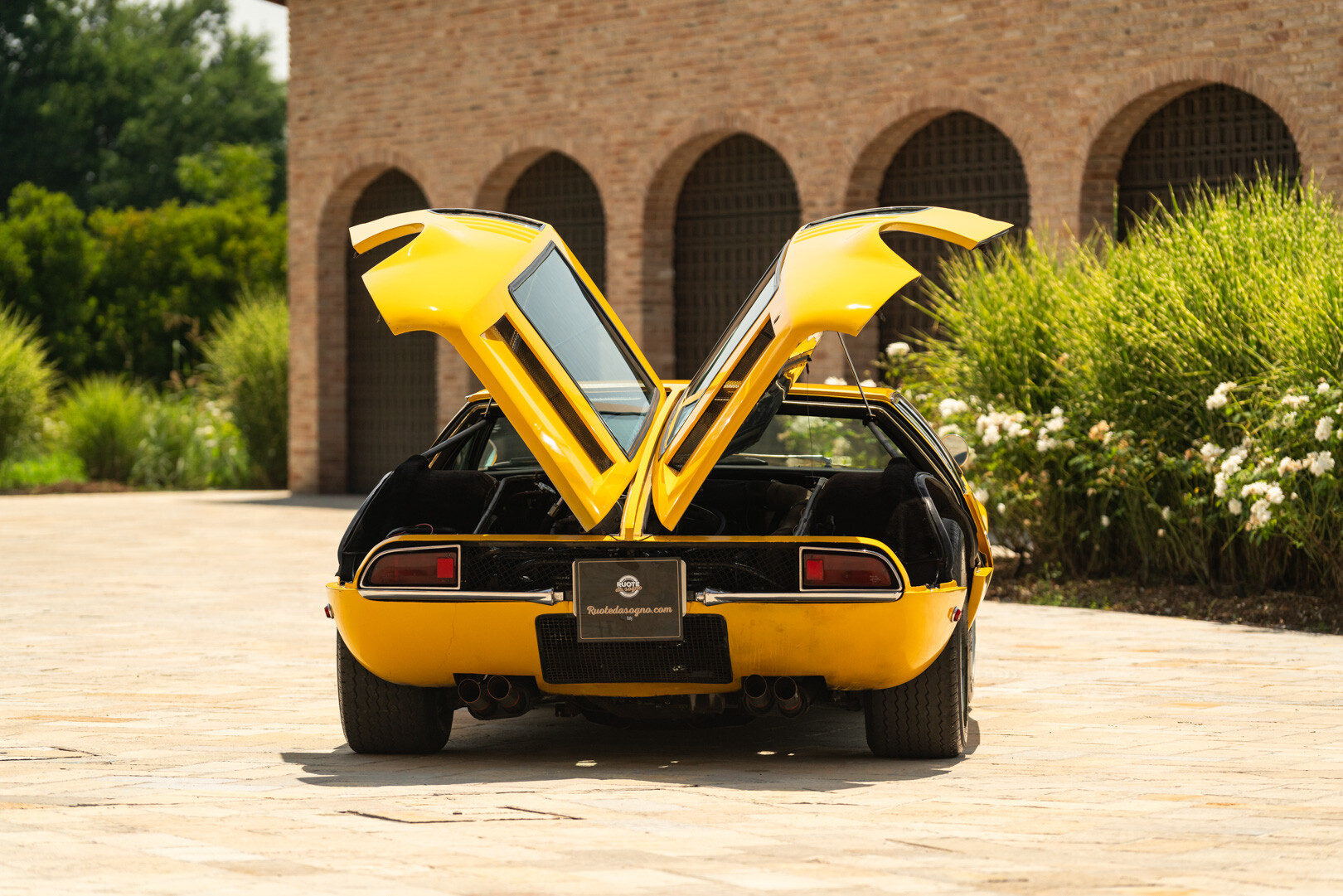
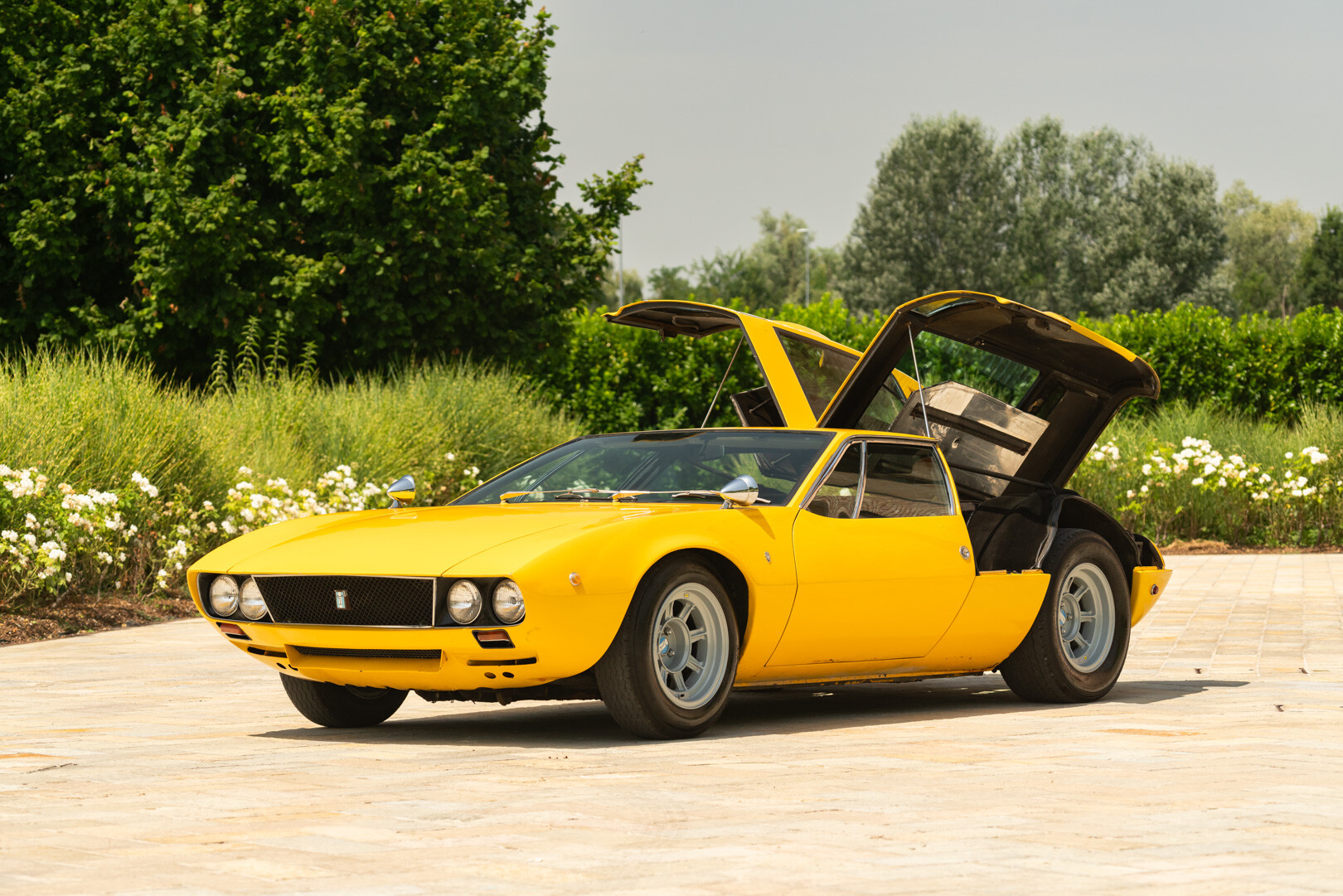
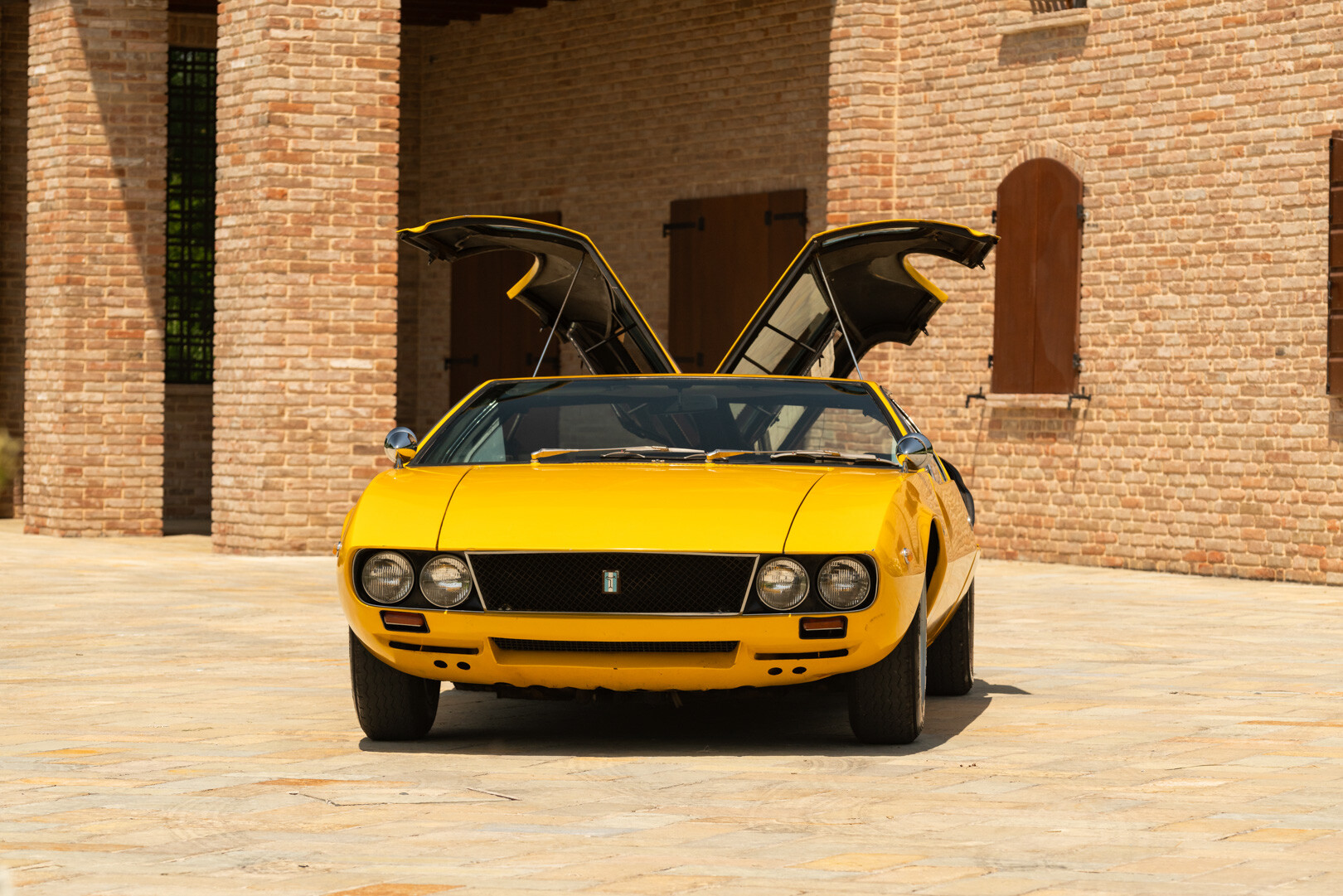
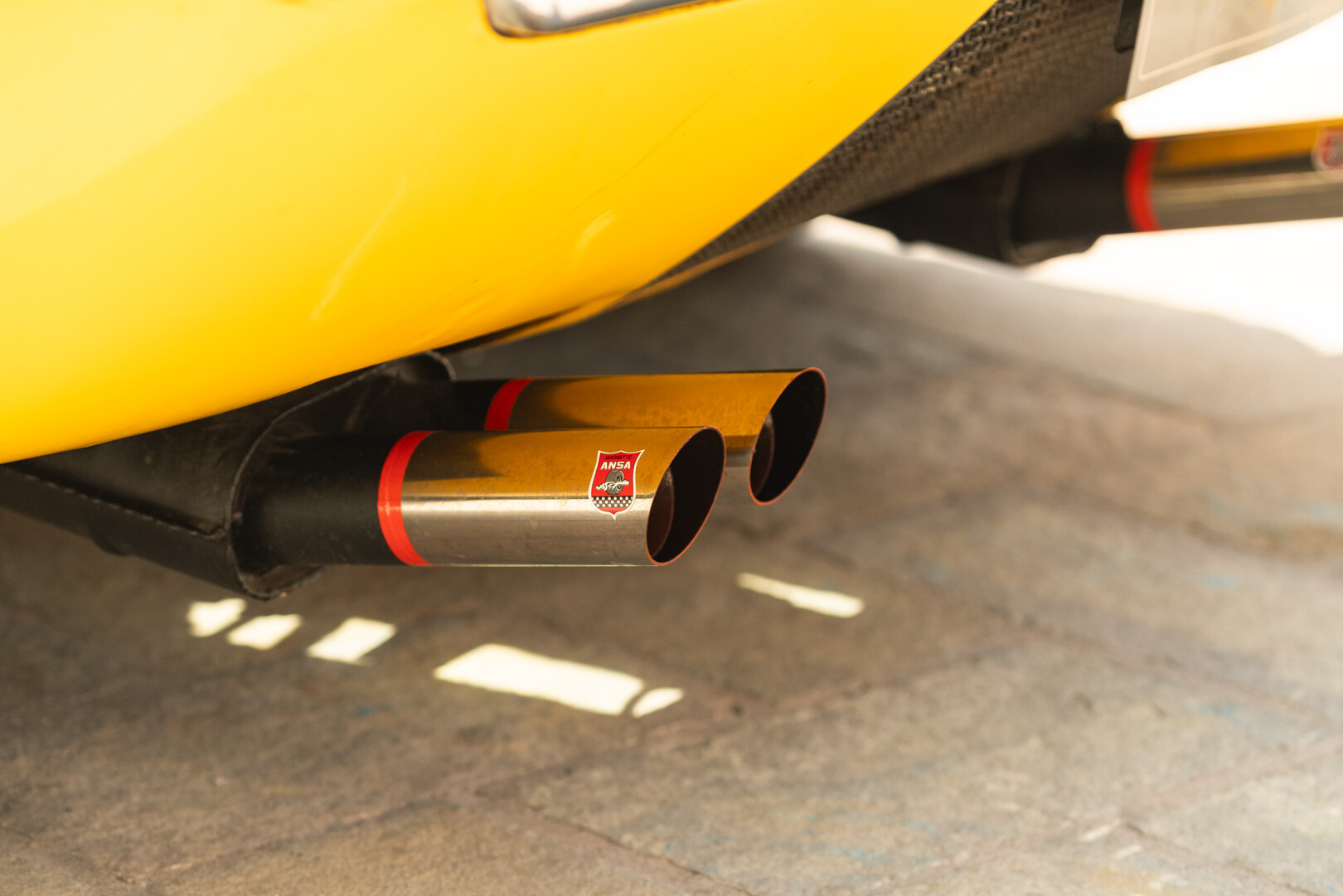
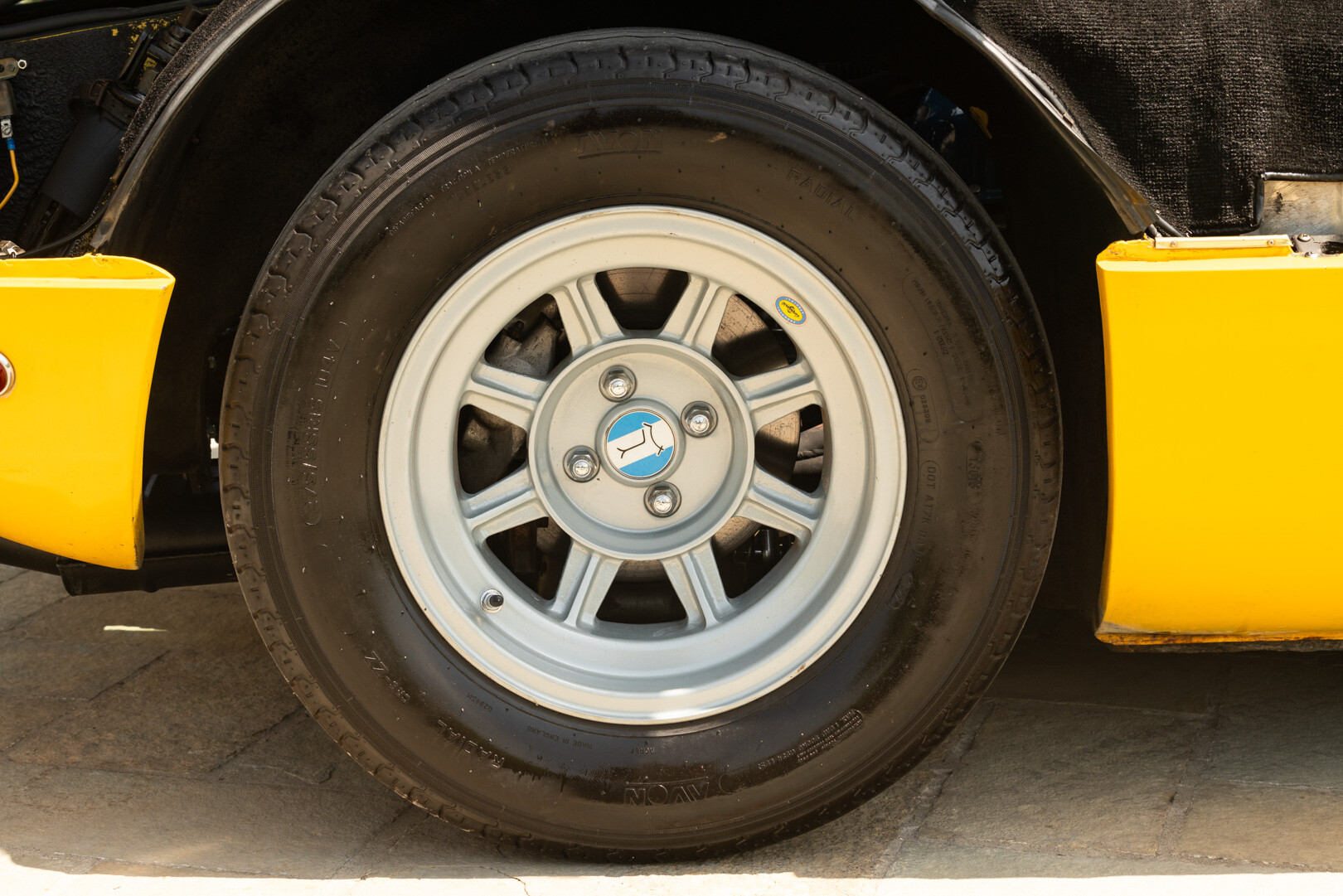
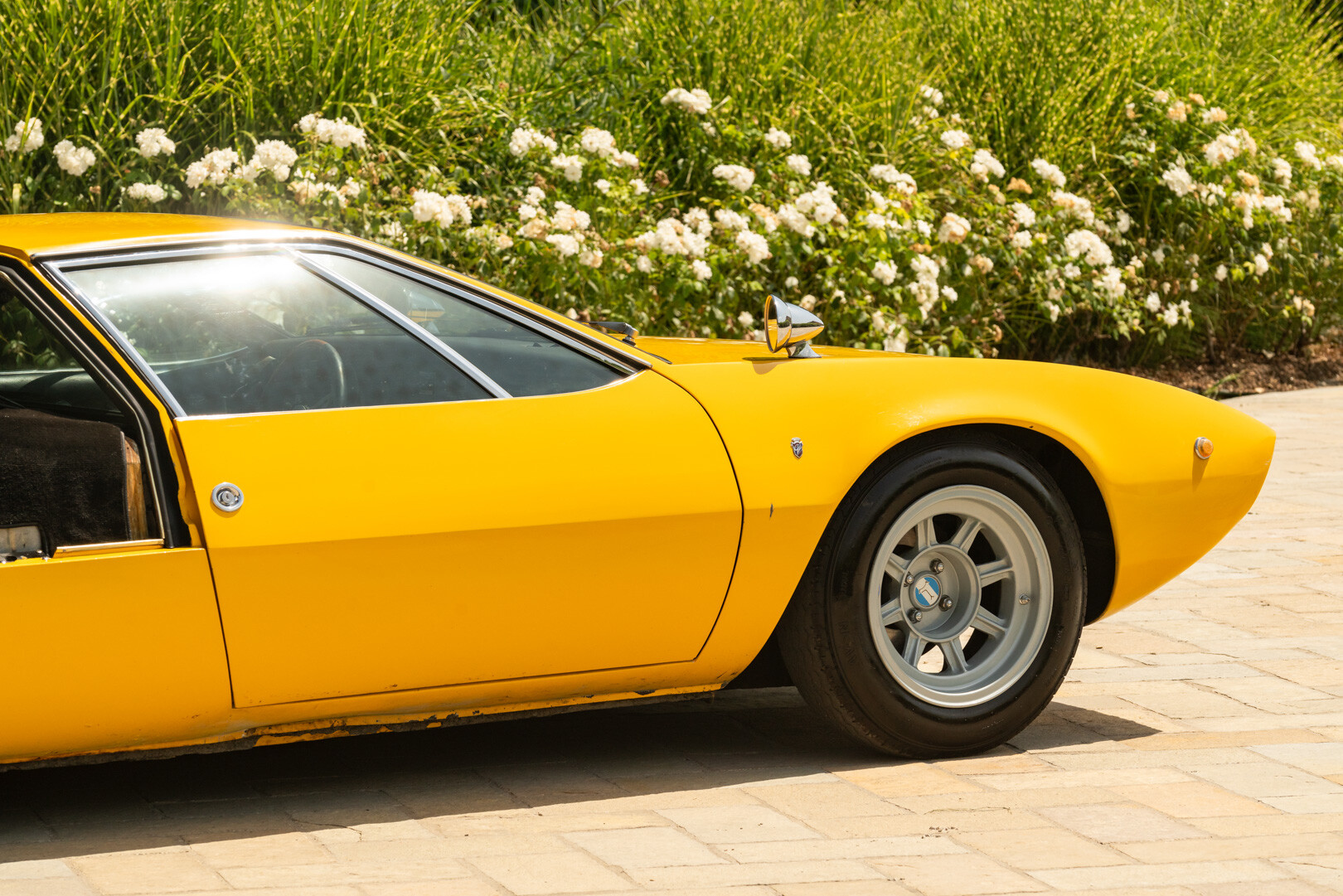
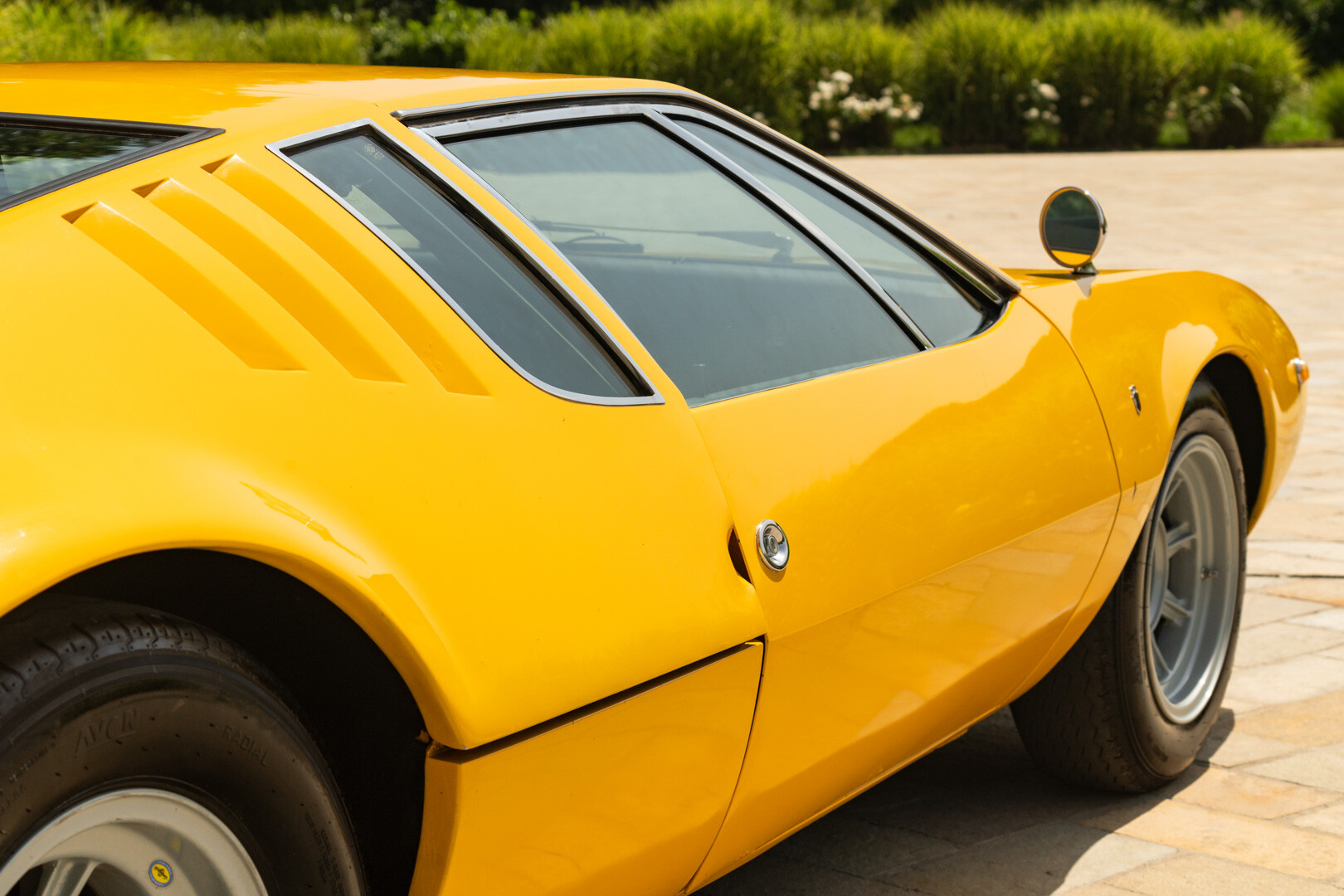
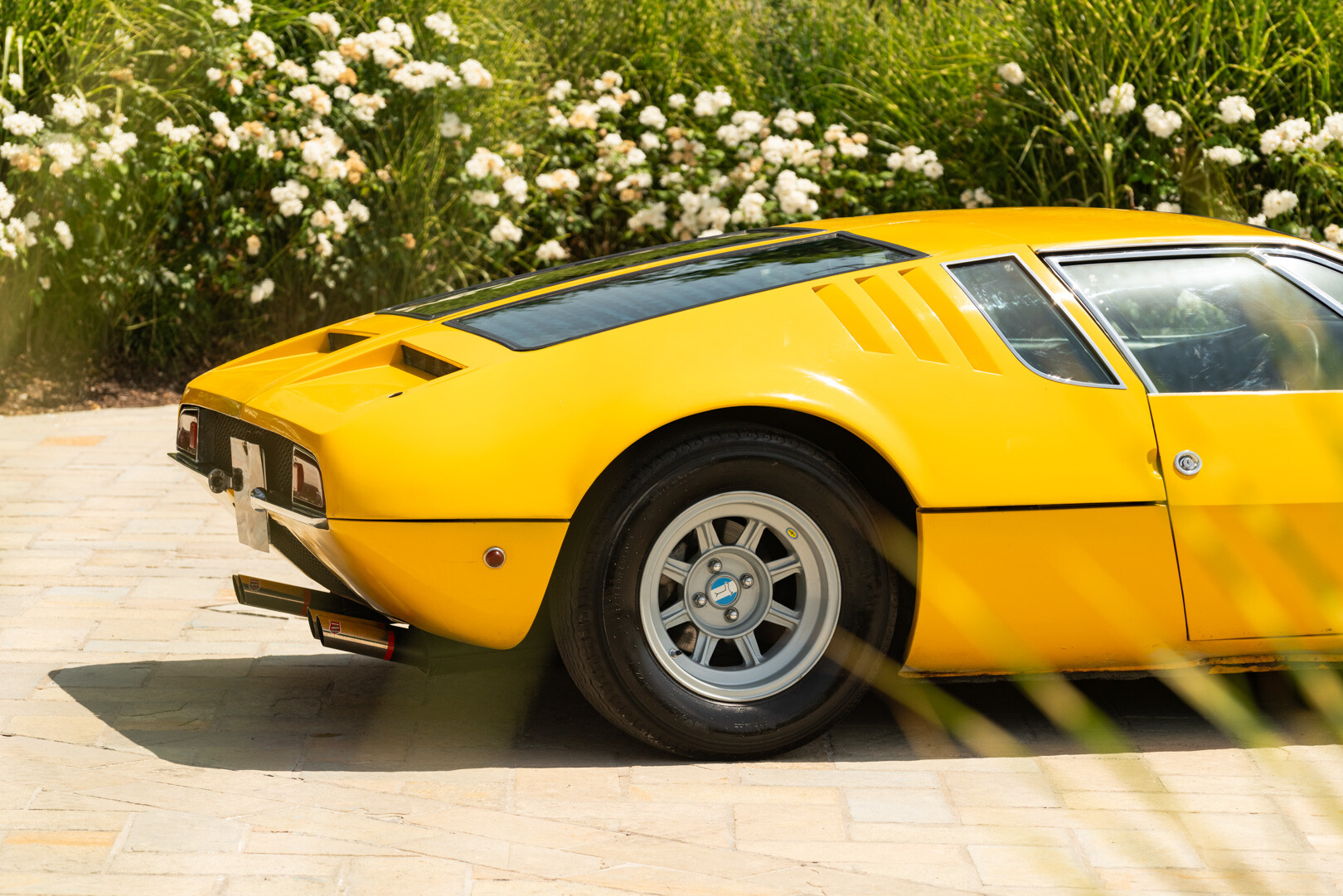
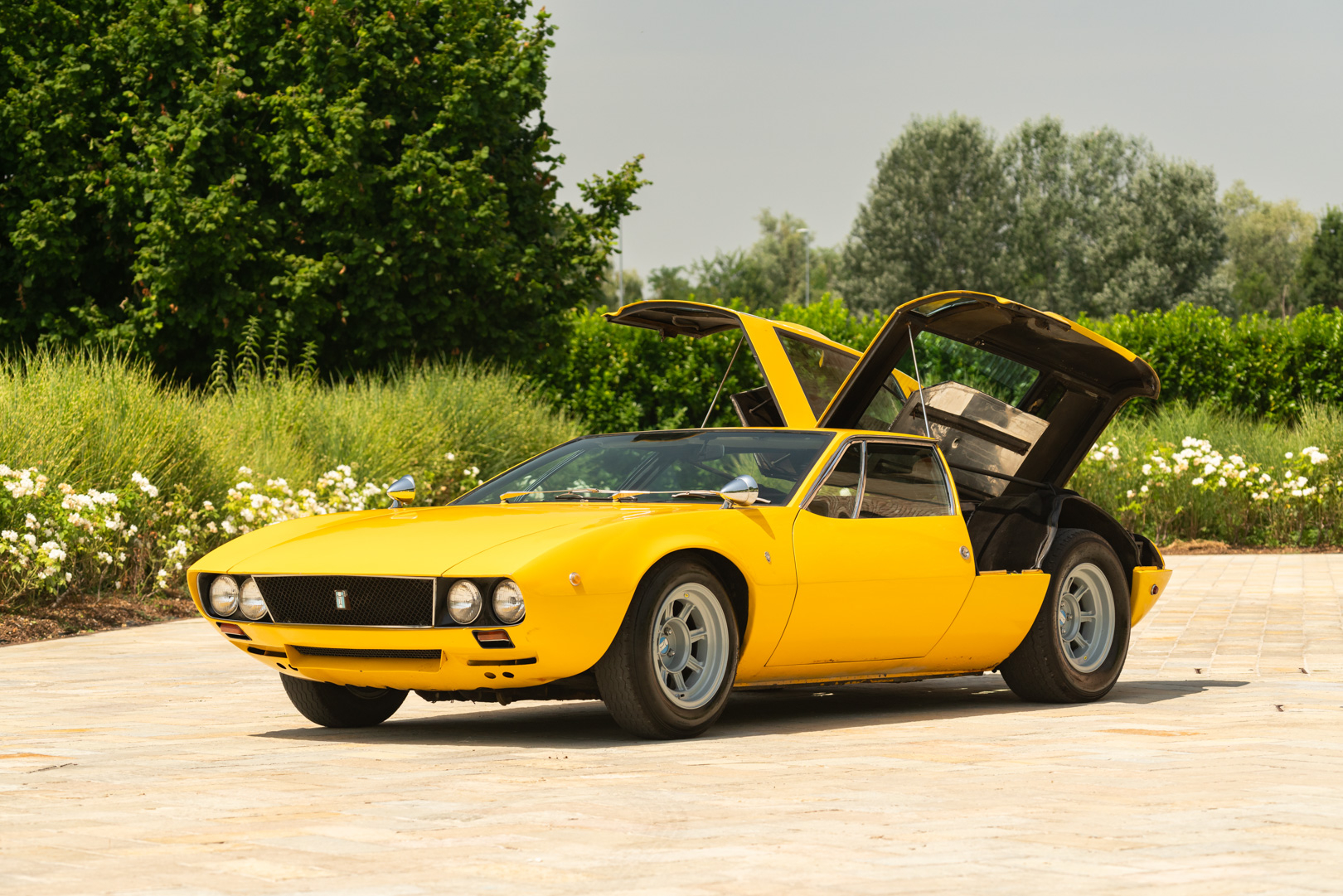
Mangusta is the Italian word for mongoose, an animal that can kill cobras. The car was reportedly namedafter a failed deal between De Tomaso and Carroll Shelby. Alejandro de Tomaso had volunteered to helpCarroll Shelby develop a new Can-Am race car in late 1964 when it turned out that the Shelby Cobrawouldn’t be able to compete there. Disagreements over the car’s design and De Tomaso’s failure to deliverthe agreed-upon five race cars by the deadline for the 1965 Can-Am season caused Shelby to drop out ofthe project. With the help of Carrosseria Ghia, De Tomaso further finished the car under the project nameP70. The sole prototype was presented at the 1965 Turin Motor Show as the De Tomaso Sport 5000. The Mangusta used a modified version of the De Tomaso P70 chassis. De Tomaso then modified the steelchassis of the P70 and this became the basis for the Mangusta, whose bodywork was designed byGiorgetto Giugiaro of Ghia. The Mangusta went into production in 1967, at the same time that De Tomasobought Ghia.
A total of 401 cars were built, of which about 150 were destined for the European market. The rest wasshipped to North America.
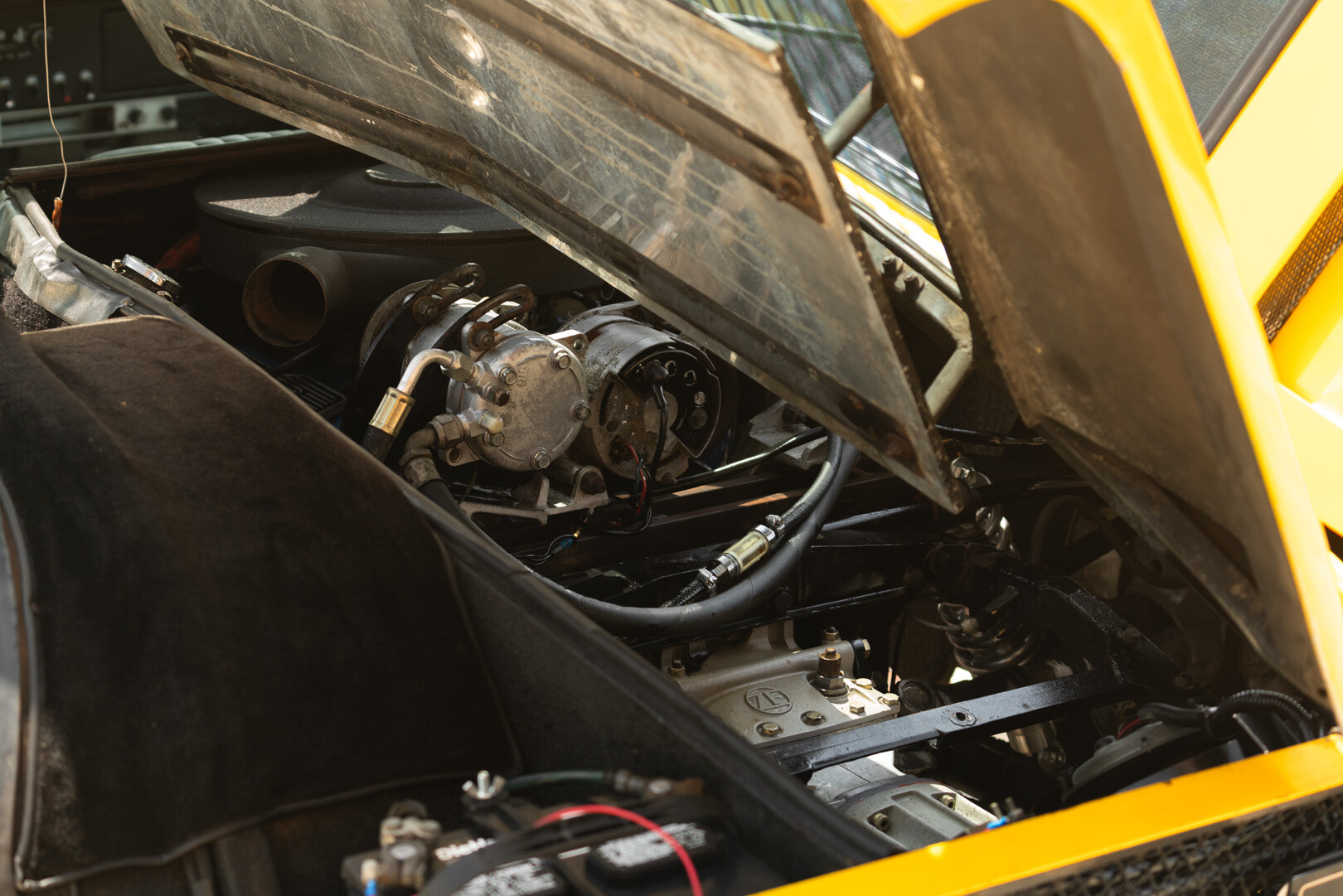
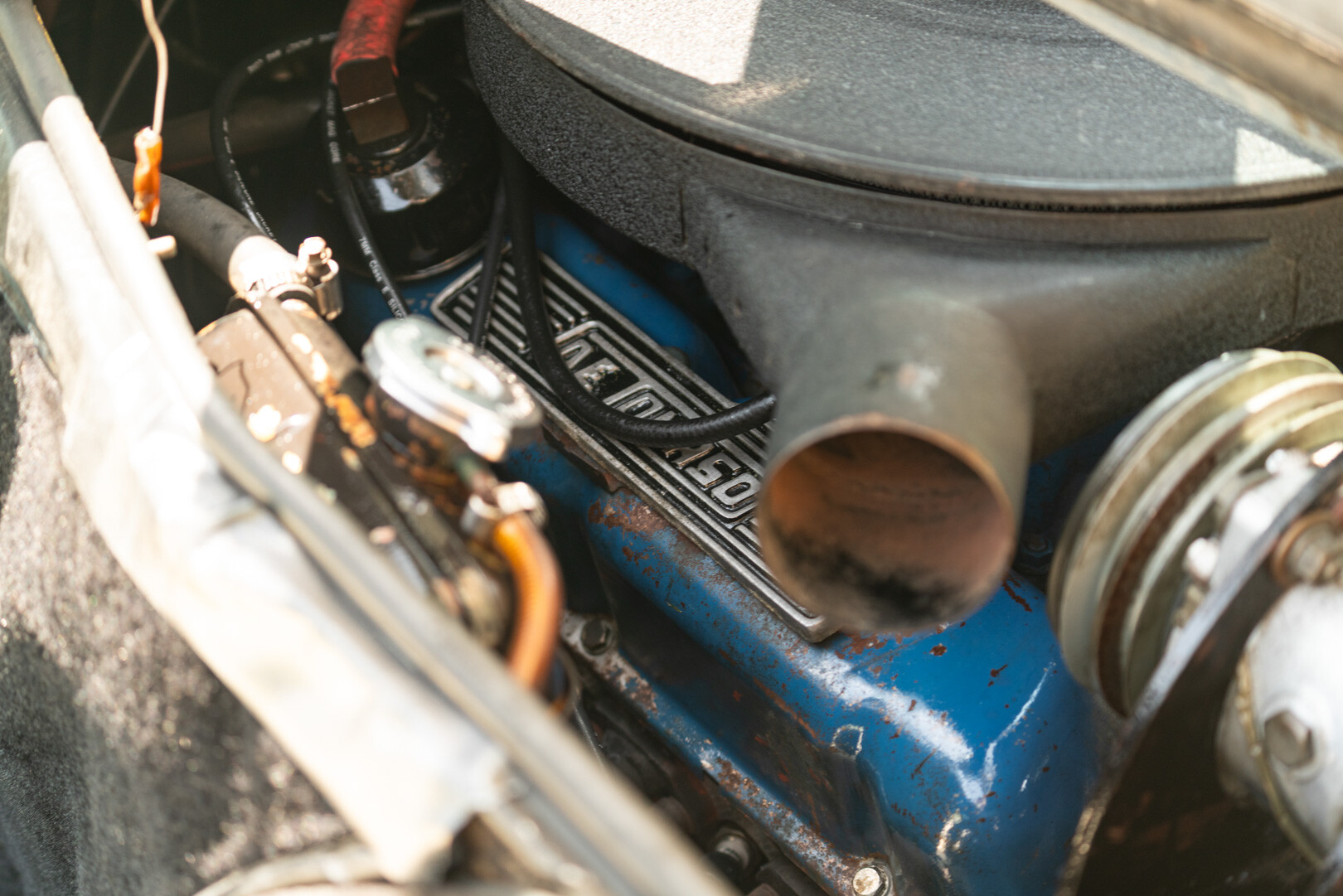
The first copies got a more powerful 4.7-liter Ford HiPo 289 engine, the later cars had a 4.9-liter Ford 302 engine.